
A gym combination workout pairs two or more exercises back to back, often with little or no rest, so you train strength and cardiovascular fitness in the same block instead of two separate sessions. It’s built for anyone who wants real results without spending two hours at the gym.
What Is a Gym Combination Workout
The term gets used loosely, so it helps to draw a clear line. A combination exercise blends two movements into one continuous rep, like a squat that flows straight into an overhead press. A superset is different: it’s two separate exercises done one after another with no rest in between, such as bench press followed immediately by a set of rows.
A gym combination workout usually includes both formats. You might open with a true combo move like a lunge into a lateral raise, then move into a superset pairing a push exercise with a pull exercise. The common thread is minimal downtime and more work packed into less time.
This distinction matters because training goals differ. Combo moves demand more coordination and are harder to load heavy. Supersets let you push closer to your strength limits on each individual lift while still keeping the session tight.
Why Combination Workouts Work
The main draw is efficiency. Instead of resting a full two minutes between sets, you’re moving into the next exercise, so your heart rate stays elevated and your session finishes faster.
There’s also a research case for pairing strength and aerobic work rather than doing them in isolation. A 2025 analysis from the ATTICA Epidemiological Cohort Study, which tracked nearly 2,000 adults over 20 years, found that people who combined aerobic and resistance activity had a 0.41-times lower risk of atherosclerotic cardiovascular disease compared with inactive participants, a larger reduction than aerobic activity alone produced in the same study. Resistance training by itself did not show the same significant association. PLOS
That doesn’t mean solo strength days are a waste. It does suggest that folding cardio-driving movements into your strength sessions, rather than treating them as separate categories, may carry a real cardiovascular benefit on top of the muscle you build.
Beyond heart health, combination training recruits more muscle per set. When a squat flows into a press, your legs, core, shoulders, and triceps are all working inside a single rep instead of four separate exercises.
How to Build a Gym Combination Workout
You don’t need a complicated system to put one together. Three rules cover most of what matters.
1. Pick Complementary Movements
Pair exercises that use different primary muscle groups or different movement patterns. A squat into a press works because the legs and shoulders aren’t competing for the same energy. Pairing two heavy leg exercises back to back, on the other hand, tanks your form fast.
2. Balance Push and Pull
A well-built session includes both pushing movements, like presses and dips, and pulling movements, like rows and pull-ups. This keeps your shoulders and upper back working evenly and lowers your injury risk over time.
3. Control Rest and Tempo
Short rest is the point, but it shouldn’t mean sloppy reps. Thirty to sixty seconds between combo sets is a reasonable starting range for most lifters. If your form breaks down before the set ends, the rest period is too short or the load is too heavy.
Sample Gym Combination Workout for USA Gyms
Here’s a full-body session built around equipment found in most American commercial gyms: barbells, dumbbells, a cable stack, and kettlebells. Perform each pair as a combo or superset with 30 to 60 seconds of rest between rounds, and complete 3 rounds total.
Exercise Pair | Target Area | Reps
Barbell Squat to Push Press | Legs, shoulders, core | 8-10
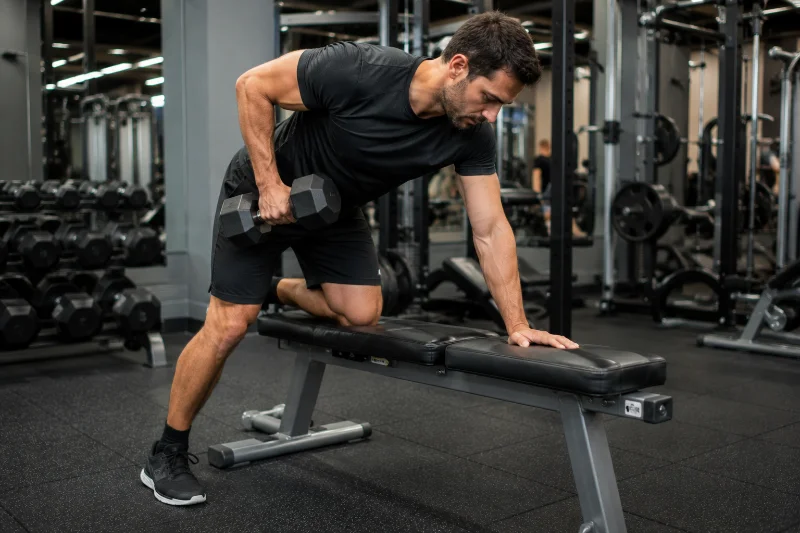
Dumbbell Row + Push-Up | Back, chest, triceps | 10-12 each
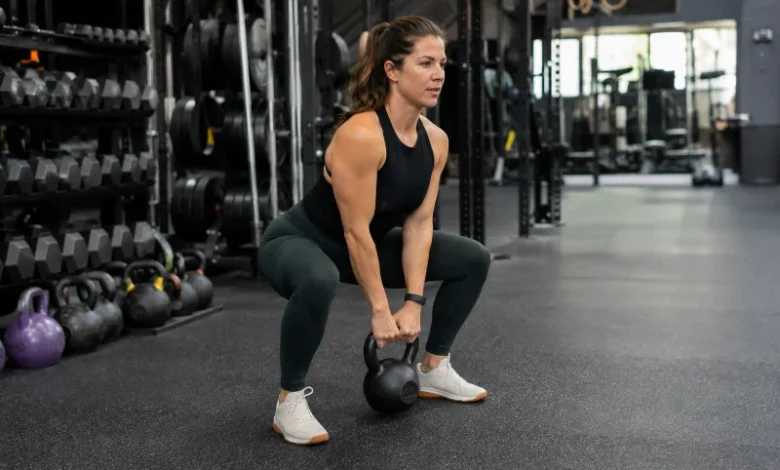
Kettlebell Swing + Goblet Squat | Posterior chain, quads | 12-15 each
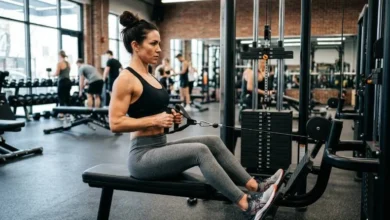
Cable Row + Overhead Triceps Extension | Back, arms | 10-12 each
Warm up with five minutes of light cardio and a few bodyweight squats and arm circles before starting round one. If you’re new to combo training, run through the sequence once at a lighter load before adding your working weight.
Common Mistakes to Avoid
Skipping the warm-up is the most frequent one. Combo work asks more of your joints and coordination than a standard single-exercise set, so a cold body increases injury risk.
Another common error is pairing two exercises that fight for the same muscle group, like heavy squats immediately followed by lunges. Your legs simply won’t have enough left to do either movement well, and form suffers on both.
Chasing speed over control is the third mistake. The goal of a gym combination workout is more quality work in less time, not rushed reps that lose their range of motion. If your form falls apart, slow down or drop the weight before you add more volume.
Who Should Try a Gym Combination Workout
This style suits people with limited gym time who still want strength and conditioning gains from one session, including busy professionals, intermediate lifters looking to break a plateau, and anyone training for general fitness rather than a specific sport.
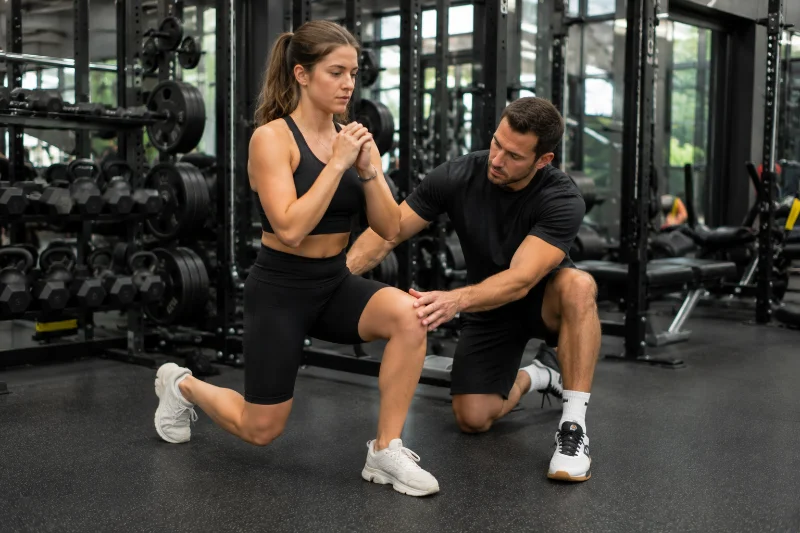
Complete beginners can use combination training too, but should start with lighter loads and simpler pairings until their form is consistent under fatigue. If you have a joint injury, heart condition, or another health concern, check with a doctor or a certified trainer before adding high-intensity combo work to your routine.