
Choosing the best rowing machine depends on your fitness goals, available space, budget, and preferred workout experience. Before buying one, compare its resistance system, seat comfort, rail length, weight capacity, noise level, and storage options to find a machine you can use comfortably at home.
Some rowing machines are designed for quiet indoor workouts, while others are better suited to intense training and regular performance tracking. Understanding these differences will help you avoid spending money on features you don’t actually need.
Understand the Different Types of Rowing Machines
The first thing to consider when learning how to choose the best rowing machine is its resistance system. This determines how the machine feels during exercise, how much noise it makes, and how you control workout intensity.
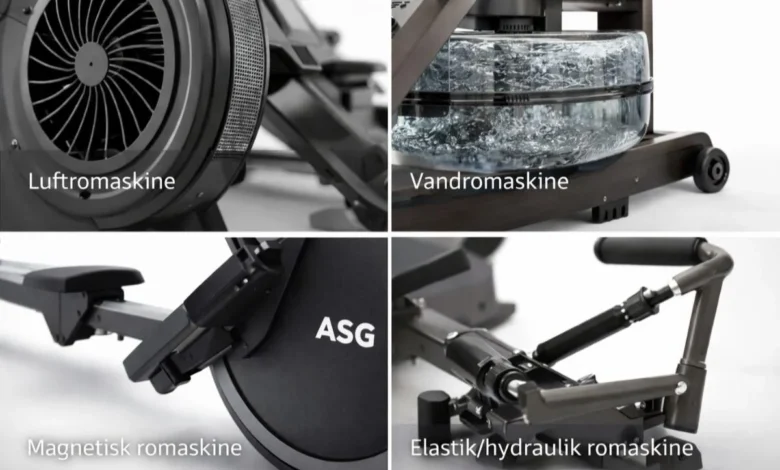
Most indoor rowing machines use four types of resistance: air, magnetic, water, or hydraulic.
1. Air Resistance Rowing Machines
Air rowing machines use a fan flywheel to create resistance. When you pull the handle harder and faster, the fan moves faster and creates greater resistance.
This makes air rowers suitable for people who enjoy challenging workouts, interval training, and performance-focused exercise.
Advantages:
- Resistance responds naturally to your effort.
- Suitable for beginners and experienced rowers.
- Good for interval and endurance workouts.
- Commonly used in gyms and training facilities.
Disadvantages:
- Fan noise becomes more noticeable during intense workouts.
- Many models require more floor space.
- The moving fan and drive system need occasional cleaning and maintenance.
An air rower is a good choice if you want a responsive rowing experience and don’t mind some operating noise.
2. Magnetic Resistance Rowing Machines
Magnetic rowing machines use magnets to control resistance around a flywheel. Most models allow users to select different resistance levels using a dial or electronic controls.
They are popular with home users because they generally operate quietly and require relatively little maintenance.
Advantages:
- Quiet operation.
- Adjustable resistance levels.
- Suitable for apartments and shared homes.
- Many models have folding designs.
- Generally straightforward to maintain.
Disadvantages:
- Resistance may feel less natural than air or water systems.
- Some budget models have limited resistance.
- The workout feel varies considerably between manufacturers.
If you want to exercise early in the morning or live in an apartment, a magnetic rowing machine is worth considering.
3. Water Resistance Rowing Machines
Water rowing machines use paddles inside a water-filled tank to generate resistance. As you pull harder, the paddles move faster and create more resistance.
Many users enjoy their smooth rowing sensation and the sound of moving water. These machines can also have an attractive wooden or furniture-style design.
Advantages:
- Smooth, progressive resistance.
- Natural rowing sensation.
- Pleasant water movement sound.
- Suitable for steady cardio and challenging sessions.
Disadvantages:
- Water tanks add weight and bulk.
- Some models need periodic water treatment.
- Water tank maintenance requires extra attention.
- Quality models can be expensive.
Choose a water rower if you enjoy the feel of rowing on water and have enough room for a larger machine.
Compare the Resistance Types Before Buying
Once you understand how each system works, compare them based on your daily requirements.
| Feature | Air | Magnetic | Water | Hydraulic |
| Noise | High | Low | Moderate | Low to moderate |
| Resistance feel | Responsive | Consistent | Progressive | Varies |
| Maintenance | Low to moderate | Low | Moderate | Varies |
| Storage | Often larger | Often compact | Often larger | Compact |
| Best for | Intense training | Home workouts | Natural rowing feel | Small budgets |
The table provides general comparisons. Actual noise, resistance quality, and dimensions depend on the individual model.
For most people who exercise at home, magnetic resistance is a sensible starting point because of its quiet operation. However, an air rower may be a better fit for someone who prioritizes performance training.
Consider Your Fitness Goal
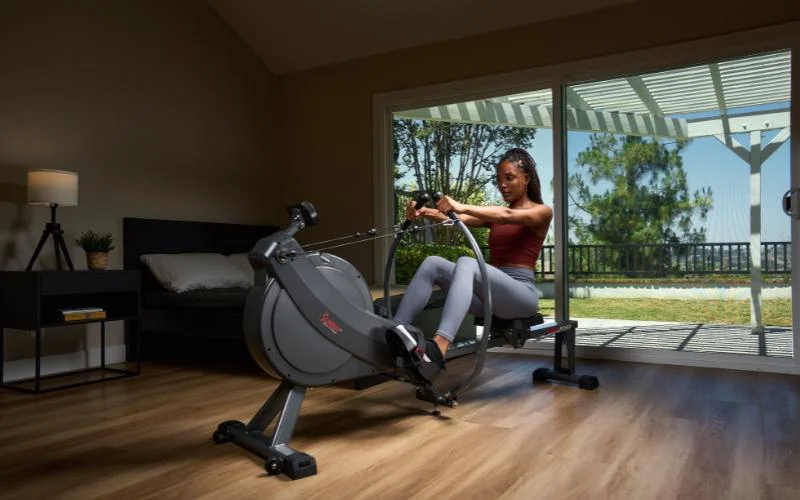
Your fitness goals should influence the type of rowing machine you purchase. A machine designed for serious training may be unnecessary if you only want occasional cardio sessions.
1. For Beginners
If you’re new to rowing, look for a machine that is comfortable, easy to operate, and has adjustable resistance.
You don’t need an expensive touchscreen or advanced training software to get started. A straightforward magnetic or water rower can be suitable, depending on your budget and preferred workout feel.
Look for:
- A comfortable seat and handle.
- Simple performance monitor.
- Adjustable footrests.
- Smooth seat movement.
- Easy resistance adjustment.
2. For Weight Management and General Cardio
If your main goal is general fitness and cardio exercise, prioritize a comfortable machine that you can use regularly.
A magnetic rower is worth considering if you prefer quiet workouts. Air and water rowers are also suitable if you enjoy resistance that responds to your effort.
Pay attention to seat comfort and smooth movement because an uncomfortable machine can make regular exercise less appealing.
3. For High-Intensity Training
If you enjoy challenging workouts, interval sessions, or performance training, consider an air or water rowing machine.
Air resistance responds to how hard you pull, making it useful for changing workout intensity. Water resistance also increases with effort and offers a different rowing sensation.
Look for a reliable monitor that displays pace, distance, stroke rate, and workout time.
4. For Regular Household Use
If multiple family members will use the same machine, choose one with a strong frame, suitable weight capacity, adjustable footrests, and enough rail length for the tallest user.
A magnetic rower can be a practical choice when different people have different workout preferences and noise needs.
Check the Machine’s Size and Available Space
One common buying mistake is choosing a rowing machine without measuring the room first.
A full-size rowing machine can take up considerable floor space, even when it looks relatively compact in product photographs.
Before purchasing, check:
- Overall length and width.
- Space needed for your legs and arms during exercise.
- Clearance around the machine.
- Folded dimensions, if applicable.
- Storage height if the machine stands vertically.
- Weight of the machine if you need to move it regularly.
For example, the Concept2 RowErg has an assembled footprint of approximately 96 inches by 24 inches. Its recommended workout area is approximately 9 feet by 4 feet. This illustrates why you should measure your actual workout space instead of relying only on the machine’s storage dimensions.
Foldable vs. Non-Foldable Rowing Machines
Foldable rowing machines are useful for people who share a workout area with other household activities.
They can be folded or stored when not in use, depending on the design.
Non-foldable machines may offer a simpler frame construction, but some can still separate into sections for storage.
Neither design is automatically better. Check the locking mechanism, folded dimensions, storage position, and ease of moving the equipment.
Check Weight Capacity and Rail Length
Weight capacity and rail length deserve attention because they directly affect whether a rowing machine fits your body.
A machine can have excellent resistance and an attractive display but still be uncomfortable if its seat rail is too short.
Maximum User Weight
Check the manufacturer’s maximum user weight before purchasing.
For example, Concept2 lists a maximum user weight of 500 pounds as tested by the manufacturer, while also providing a separate 300-pound figure under the European EN 20957-7 testing standard. This shows why it is important to understand exactly how a manufacturer reports weight capacity.
Concept2
Avoid selecting a machine based only on its appearance or advertised sturdiness.
Rail Length and User Height
Taller people should pay special attention to rail length and the distance available for a complete rowing stroke.
Check your inseam measurement and compare it with the manufacturer’s specifications.
Some machines have extended rail options, while others are designed for shorter users.
Also consider seat height. A higher seat can make getting on and off easier for some people, but it does not automatically mean the machine has a longer rail.
Look for Comfortable and Adjustable Features
Comfort affects how enjoyable your workouts feel. A machine with poor ergonomics can become frustrating even if its resistance system works well.
1. Seat Comfort
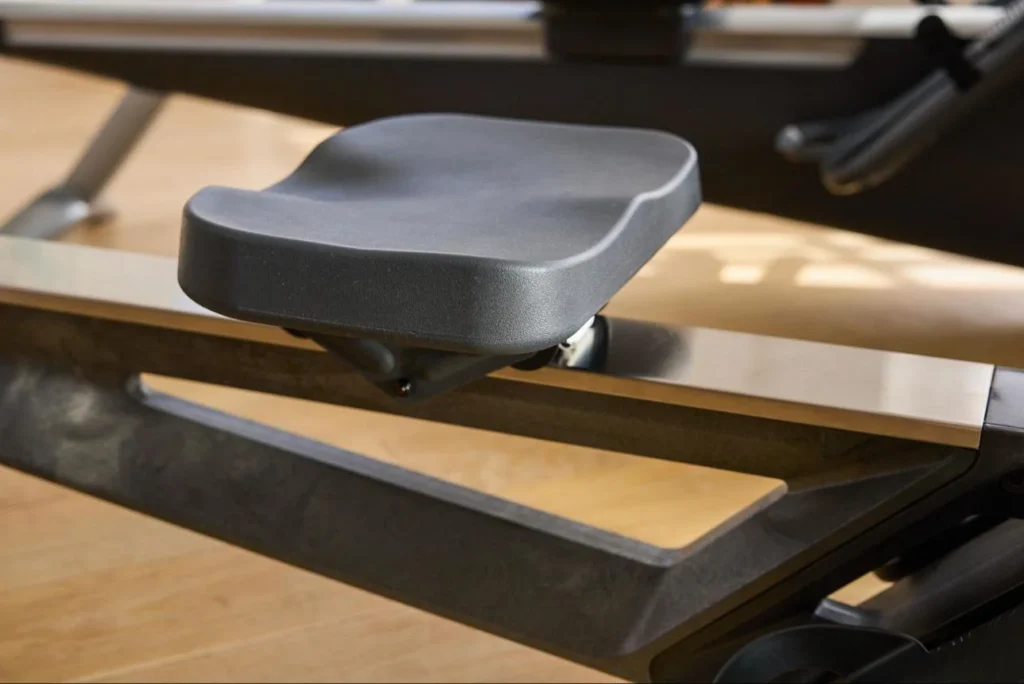
The seat should move smoothly along the rail and provide enough support for your body.
Check its shape, padding, width, and stability. If possible, try sitting on the machine before purchasing it.
2. Adjustable Footrests
Footrests should accommodate your shoe size and allow you to secure your feet comfortably.
Look for adjustable straps that hold your feet in position without creating unnecessary pressure.
3. Handle Design
The handle should feel comfortable in your hands and provide a secure grip.
Check its shape, material, and width. A handle that feels uncomfortable during a short trial may become irritating during longer workouts.
4. Smooth Seat Movement
The seat should slide smoothly without excessive noise, wobbling, or sticking.
Inspect the rollers and rail quality, especially if you’re considering a secondhand machine.
Choose a Rowing Machine With a Useful Performance Monitor
A performance monitor helps you understand how much work you’re doing during each session.
However, you don’t need the most expensive screen to track your workouts.
Look for these measurements:
| Monitor feature | Why it matters |
| Time | Shows workout duration |
| Distance | Tracks how far you have rowed |
| Stroke rate | Measures strokes per minute |
| Split time | Shows pace over 500 meters |
| Calories | Provides an estimated energy reading |
| Power | Measures output in watts |
| Heart rate | Helps monitor workout intensity when supported |
A basic display may be enough for beginners who simply want to track time and distance.
More experienced users may prefer a monitor that supports interval programming, Bluetooth connectivity, heart-rate monitoring, and workout applications.
Before paying extra for a touchscreen, consider whether you will actually use its additional features.
Understand the Real Cost of Owning a Rowing Machine
The purchase price is only one part of your total cost. Some machines have additional expenses that buyers overlook.
Consider these before making a decision:
- Subscription fees for connected workout classes.
- Delivery and assembly charges.
- Replacement parts.
- Cleaning and maintenance supplies.
- Floor mats or protective accessories.
- Extended warranty costs, where applicable.
For example, the Concept2 RowErg is listed at $990 on its official US product page, and its manufacturer offers a limited two-year warranty on moving parts and the monitor and five years on frame parts. This provides a useful example of why buyers should compare warranty coverage alongside the purchase price.
Decide Whether You Need Smart Features and Workout Apps
Some modern rowing machines connect to mobile applications, tablets, or built-in workout platforms.
These features can help people follow guided sessions and track their training progress.
However, app compatibility varies by manufacturer.
Check the following before buying:
- Bluetooth compatibility.
- Supported fitness applications.
- Heart-rate monitor compatibility.
- Availability of workout history.
- Whether a subscription is required.
- Whether the machine works without an internet connection.
- Whether the display is included or sold separately.
If you prefer independent workouts, a simple monitor may be enough.
If you enjoy instructor-led sessions and virtual competitions, connected equipment may be worth considering.
Should You Buy a New or Used Rowing Machine?
Buying a used rowing machine can help reduce your initial spending, but you should inspect its condition before making a payment.
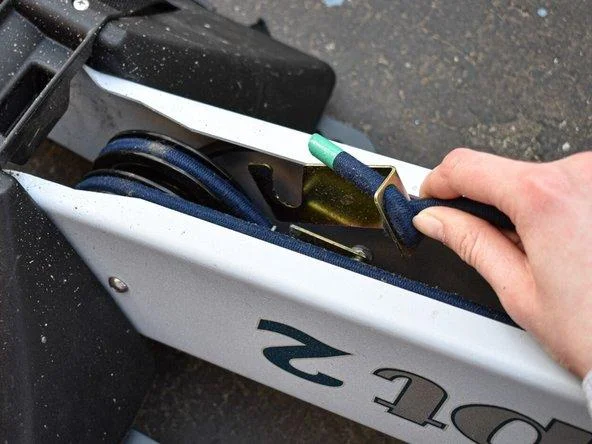
Some secondhand machines have plenty of useful life remaining, while others may need expensive repairs.
How to Choose the Best Rowing Machine for Your Needs
The right rowing machine depends on how you plan to use it.
If you want quiet workouts at home, a magnetic rower is a practical option. If you prefer challenging interval sessions, consider air resistance. Water rowers are worth considering if you enjoy a smooth, natural rowing sensation, while hydraulic machines can suit smaller budgets and limited spaces.
Before making your final purchase, check the machine’s dimensions, weight capacity, rail length, comfort, warranty, and additional ownership costs.
The best purchase is the one that fits your body, your home, your budget, and the type of exercise you will actually do. Taking these steps will make it easier to choose the best rowing machine without paying for features you don’t need.