
If you only have time for one type of exercise, make it a compound movement. Compound exercises work multiple muscle groups and joints at the same time, which means you build more strength, burn more calories, and get more done in less time than you would with isolation moves alone. Below is a practical, organized list of compound exercises you can use to build a well-rounded training program, whether you’re working out at a commercial gym, a garage setup, or a home gym.
What Makes an Exercise “Compound”?
A compound exercise is any movement that recruits two or more joints and muscle groups in a single rep. A squat, for example, involves the hips, knees, and ankles, and it trains the quads, glutes, hamstrings, and core all at once. This is the opposite of an isolation exercise, like a bicep curl, which targets one muscle through one joint.
Because compound exercises demand more from your body, they tend to produce better returns on strength, hormonal response, and calorie expenditure per minute spent training. They’re also the foundation of nearly every serious strength program, from powerlifting to general fitness.
Lower Body Compound Exercises
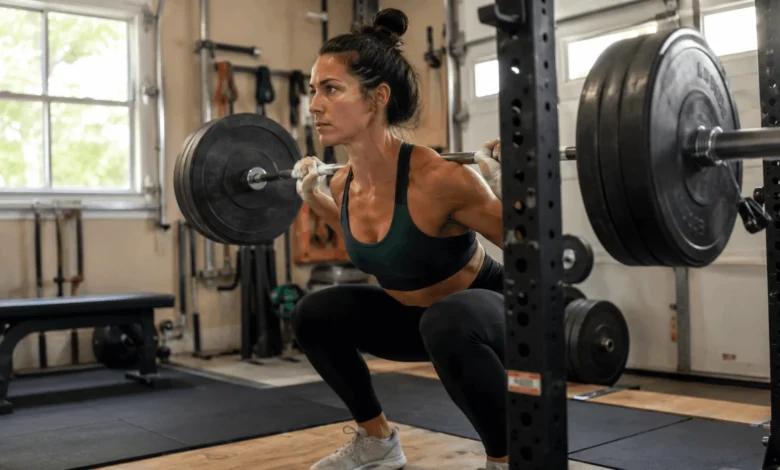
1. Back Squat
The back squat is arguably the king of all compound exercises. It targets the quads, glutes, hamstrings, and lower back while also demanding significant core stability.
2. Front Squat
A variation that shifts more load onto the quads and upper back, useful for athletes and anyone looking to build a more upright squat pattern.
3. Deadlift
The deadlift is a full-posterior-chain movement, hitting the hamstrings, glutes, lower back, and grip strength in one lift. Few compound exercises build raw strength as efficiently.
4. Romanian Deadlift (RDL)
A hip-hinge variation that emphasizes the hamstrings and glutes with less knee bend than a conventional deadlift.
5. Walking Lunges
Lunges train each leg independently, improving balance and unilateral strength while working the quads, glutes, and hamstrings.
6. Bulgarian Split Squat
A single-leg squat variation performed with the rear foot elevated, known for building serious leg strength and stability.
7. Hip Thrust
This movement isolates the glutes more than a squat or deadlift while still qualifying as a compound lift because it also recruits the hamstrings and core.
8. Leg Press
A machine-based alternative to the squat that still trains the quads, glutes, and hamstrings together, often used by lifters who want to reduce spinal loading.
Upper Body Push Exercises
Barbell Bench Press — The classic chest-builder, the bench press also trains the shoulders and triceps.
Overhead Press (Standing or Seated) — This movement builds shoulder strength and stability while also engaging the triceps and core to keep the torso upright under load.
Incline Bench Press — Shifts more emphasis to the upper chest and front shoulders.
Dips — A bodyweight compound exercise that heavily targets the chest, triceps, and shoulders, and can be loaded with a weight belt as strength increases.
Push-Ups — One of the most accessible compound exercises, push-ups train the chest, shoulders, triceps, and core without any equipment.
Upper Body Pull Exercises
Pull-Ups and Chin-Ups — These bodyweight movements are among the best compound exercises for back and bicep development, and they also demand grip and core strength.
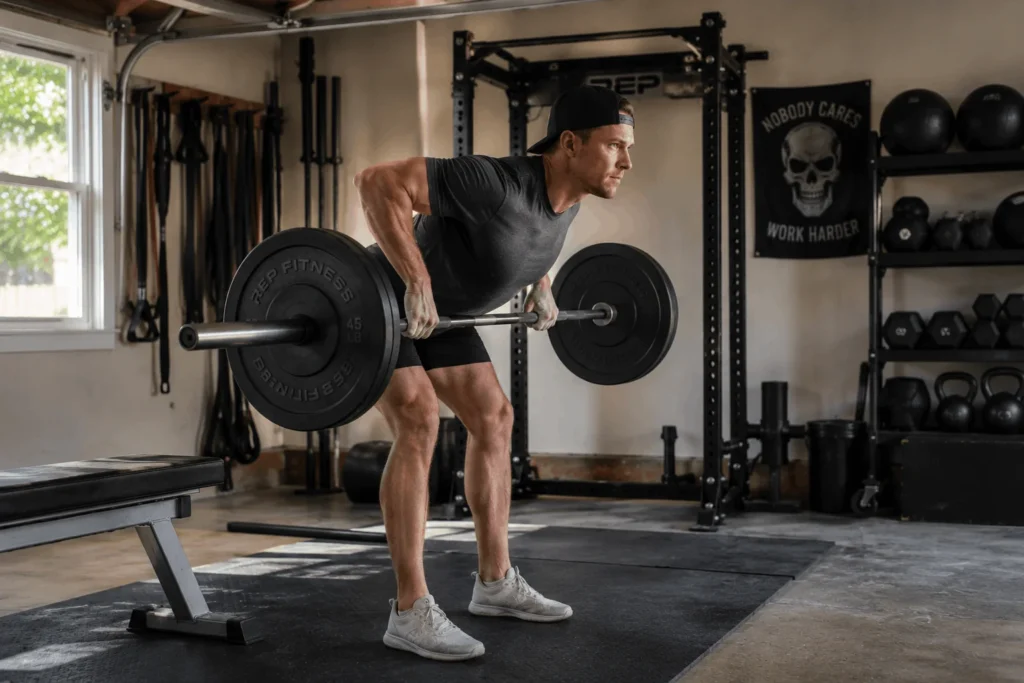
Barbell Row — A horizontal pulling movement that builds the lats, rhomboids, rear delts, and biceps.
Lat Pulldown — A machine-based alternative to the pull-up, useful for lifters still building up to full bodyweight pulling strength.
Seated Cable Row — Works the mid-back and biceps with a horizontal pulling pattern, similar to the barbell row but with constant cable tension.
Face Pull — Though lighter in load, this movement is technically compound, engaging the rear delts, upper back, and rotator cuff muscles together.
Full-Body Compound Exercises
Clean and Jerk — An Olympic lift that trains explosive power through the hips, legs, shoulders, and core in a single fluid movement.
Snatch — Another Olympic lift, the snatch is one of the most technically demanding and metabolically taxing compound exercises in strength training.
Kettlebell Swing — A hip-hinge, full-body movement that builds explosive power in the glutes and hamstrings while elevating heart rate.
Thruster — A combination of a front squat and an overhead press, the thruster is a favorite in functional fitness programs because it trains the entire body under fatigue.
Burpee — A bodyweight full-body exercise combining a squat, plank, push-up, and jump, commonly used in conditioning circuits.
Farmer’s Carry — Simply walking while holding heavy weights in each hand trains grip, core, shoulders, and legs simultaneously.
Building a Program Around Compound Exercises
A well-designed strength program should be built primarily around compound exercises, with isolation work added afterward to address specific weaknesses. A simple structure many lifters follow is:
- Lower body day: squat variation, deadlift variation, single-leg movement
- Upper push day: bench press, overhead press, dips
- Upper pull day: pull-ups, barbell row, face pulls
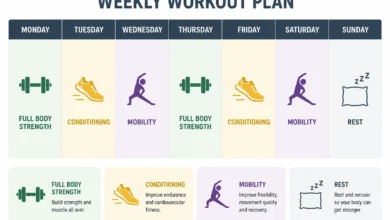
- Full-body or conditioning day: kettlebell swings, thrusters, farmer’s carries
Training frequency, load, and volume should be adjusted based on experience level, recovery capacity, and specific goals like strength, hypertrophy, or general fitness.
Equipment That Makes Compound Training Easier
You don’t need a fully stocked commercial gym to train compound exercises effectively, but the right equipment makes a real difference in safety and consistency.
For lifters setting up a home gym, Speediance offers smart, all-in-one strength training machines that use digital resistance to handle squats, presses, and pulls in a compact footprint, which is a practical option if space is limited.
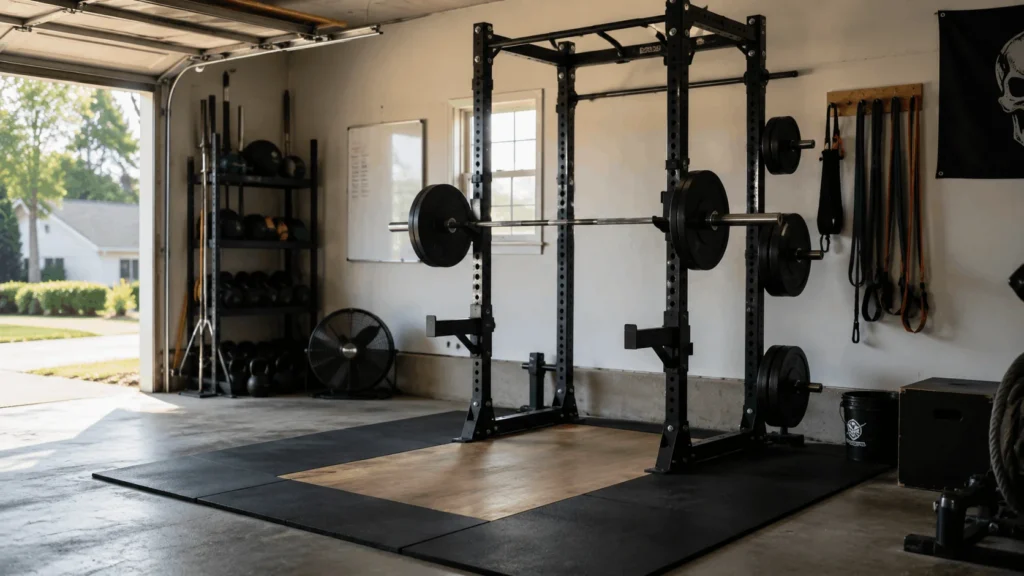
If you prefer traditional free weights, Rep Fitness is a well-known source for barbells, plates, squat racks, and benches built specifically for compound lifting, and their equipment is popular with both home gym owners and commercial facilities.
For anyone furnishing a full studio or commercial gym space, Innodigym manufactures a broad range of strength and functional training equipment suited to programming compound movements at scale.
Common Mistakes to Avoid
1. Skipping the Warm-Up. Compound exercises place significant demand on multiple joints at once, so a proper warm-up matters more than it does for isolation work.
2. Chasing Weight Over Form. Because compound lifts allow you to move heavier loads, it’s tempting to add weight before technique is solid. This is one of the fastest ways to get injured.
3. Neglecting Recovery. Compound exercises are more taxing on the nervous system than isolation moves, so adequate rest between hard sessions is essential for progress.
4. Ignoring Mobility. Movements like the squat, deadlift, and overhead press require a baseline level of mobility in the hips, ankles, and shoulders. Addressing mobility limitations early prevents compensation patterns that can lead to injury.
Final Thoughts
Compound exercises should form the backbone of almost any strength or fitness program. They deliver more training benefit per set, build functional strength that carries over into daily life, and make efficient use of limited gym time. Whether your goal is building muscle, getting stronger, or simply improving general fitness, mastering the compound exercises on this list is one of the highest-value things you can do in the gym.