
The best muscle groups to train together are ones that share the same movement pattern, like chest and triceps for pushing, back and biceps for pulling, or quads and hamstrings for squatting and lunging. Pairing these groups saves time, keeps sessions balanced, and still gives each muscle time to recover before its next workout.
Why Pairing Muscle Groups Works
Most exercises never work just one muscle. A bench press trains the chest, but it also loads the front shoulders and triceps at the same time. A row trains the back, but the biceps are working through nearly the whole movement. Because of this overlap, grouping muscles by the job they do together, rather than training every muscle in total isolation, lets you get more done per session without adding extra gym days. It also means each muscle group gets a real rest before you ask it to work hard again.
The Best Muscle Group Pairings
There’s no single required pairing system, but most effective splits follow a few patterns based on how muscles actually move together in daily lifts.
Chest And Triceps
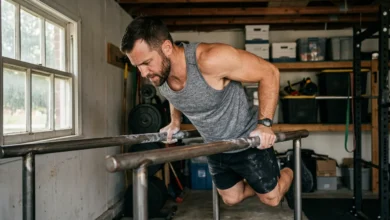
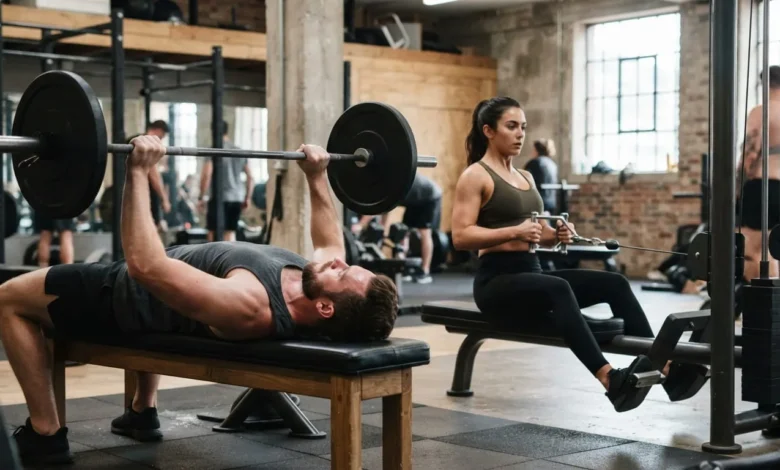
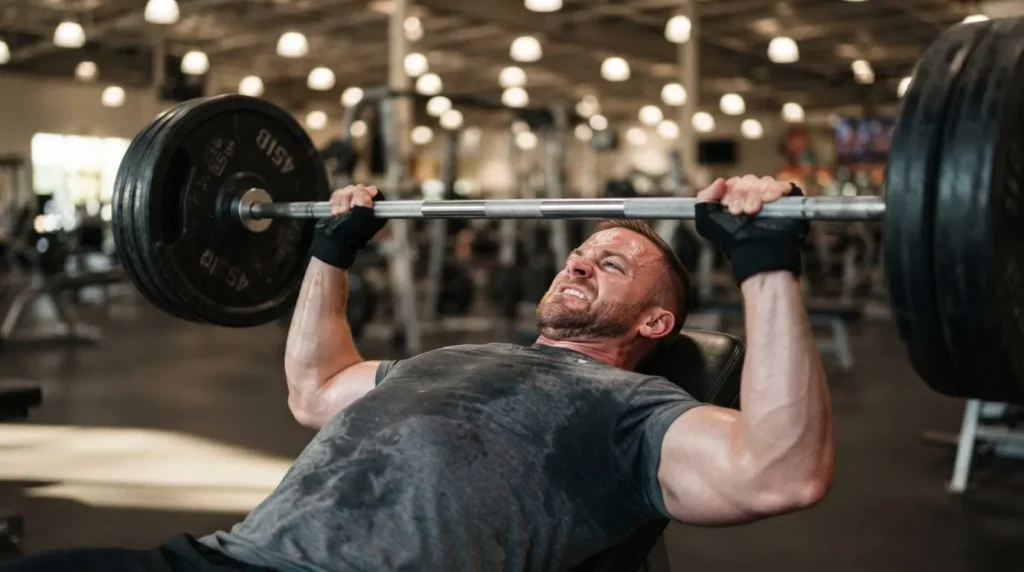
Chest and triceps are a classic pair because pressing movements, like the bench press, incline press, or push-up, extend the elbow at the same time they extend the shoulder. Training them on the same day means you can go straight from heavier compound presses into triceps-focused work, such as dips or cable pushdowns, while the muscles are already warmed up.
Back And Biceps
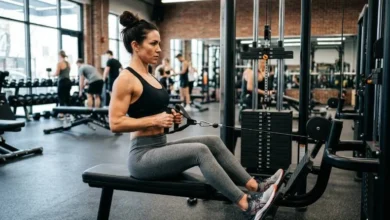
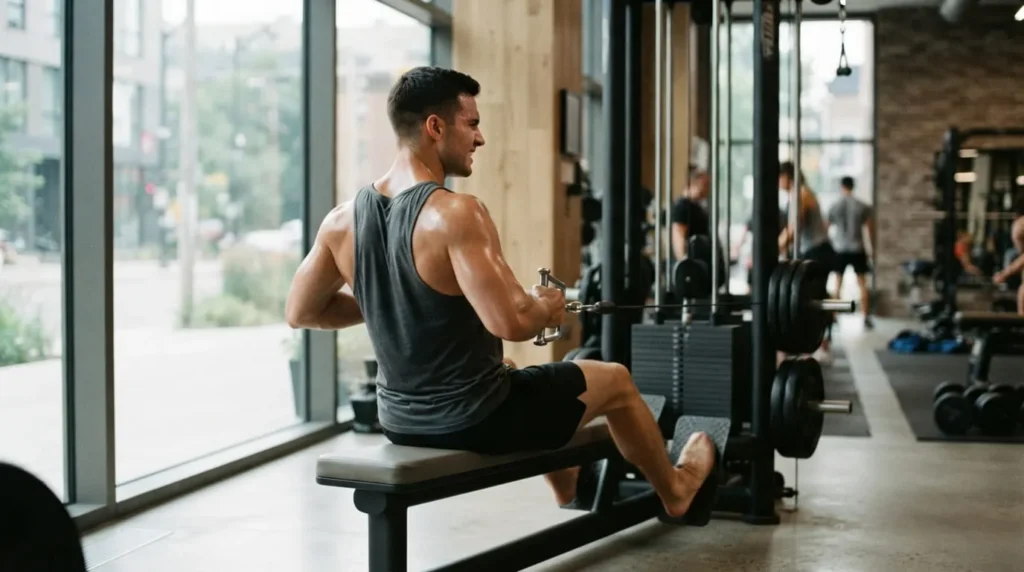
Back and biceps pair well for the same reason in reverse. Rows, pull-ups, and lat pulldowns all pull weight toward the body, and the biceps assist on every rep. Doing biceps curls after a back workout lets you finish off a muscle that’s already partly fatigued, instead of spending a separate session on it.
Quads, Hamstrings, And Glutes
Leg day usually covers the quads, hamstrings, and glutes together because compound lifts like squats, lunges, and deadlifts rarely isolate just one of them. A back squat leans more on the quads, while a Romanian deadlift shifts the load toward the hamstrings and glutes, so training all three in one session builds the lower body evenly instead of favoring one side of the leg.
Shoulders And Core
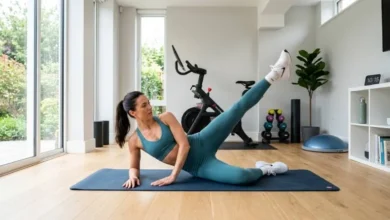
Shoulders and core (or shoulders and abs) make a practical pairing for a different reason: both are smaller muscle groups that don’t need a full session on their own. A shoulder press or lateral raise, followed by planks or cable crunches, rounds out a workout without piling on extra fatigue in muscles you’ve already trained hard that week.
How To Choose A Workout Split For Your Schedule
Which pairing setup makes sense for you depends mostly on how many days a week you can train, not on any single best answer
2-3 Day Full-Body Split
If you can only get to the gym two or three times a week, full-body workouts make more sense than splitting muscles apart. Each session hits every major muscle group with a handful of compound lifts, such as squats, presses, and rows, so nothing goes untrained for more than a few days.
4-Day Upper/Lower Split
With four days available, an upper/lower split lets you train the whole upper body one day and the whole lower body the next, then repeat. This setup works well for lifters who want to train each muscle group twice a week, which is the frequency most strength-training guidelines are built around.
5-Day Push/Pull/Legs Split
Five or six days opens up push/pull/legs (PPL): one day for chest, shoulders, and triceps, one for back and biceps, and one for legs. Running through the cycle twice in a week means each muscle group still gets trained twice, but with more focused volume per session than a full-body day allows.
How Long To Rest Between Sessions
The Physical Activity Guidelines for Americans recommend strength-training every major muscle group at least twice a week. Most lifters aim to leave roughly 48 hours before training the same muscle group again, since that’s the general window muscle tissue needs to repair after resistance training. Grouping muscles by movement pattern is what makes hitting that frequency practical. Train push muscles on Monday and Thursday, for example, and each group gets worked twice with rest days built in between.
Common Mistakes To Avoid
A few habits quietly undo the benefits of pairing muscles well. Training smaller muscles before the big compound lift they support is one: if you fatigue your triceps first, you won’t have much left for a heavy bench press. Ignoring the muscles you don’t see in the mirror, like the rear shoulders, upper back, and hamstrings, is another, and it’s a common cause of muscle imbalance over time. It’s also worth resisting the urge to change your split every couple of weeks. Give a routine at least four to six weeks before deciding it isn’t working.
The Bottom Line
There’s more than one correct way to pair muscle groups. What matters is matching the split to how often you can train, working larger muscles before smaller ones in each session, and leaving enough rest between workouts that hit the same muscle group. Pick one structure, run it consistently, and adjust based on how you’re recovering.
FAQ’S
1:What muscle groups should beginners train together?
Beginners generally do best with full-body workouts two to three times a week rather than splitting muscles apart. Each session covers the whole body with basic compound lifts, which is easier to recover from and simpler to stick with while you’re still learning proper form.
2:Is it better to train muscle groups together or separately?
Neither approach is universally better. Training complementary muscles together, like chest and triceps, is more time-efficient and fits well with a busy schedule. Training muscles on separate days allows more focused volume for each one, which some experienced lifters prefer once they’re training four or more days a week.
3:How many days a week should you train each muscle group?
Most strength-training guidelines point to twice a week per muscle group for building strength or muscle size, with at least one rest day between sessions that hit the same muscles. Training a muscle group once a week can maintain current strength but tends to be slower for building new muscle.
4:Can you train opposing muscle groups on the same day?
Yes. Pairing opposing muscles, like chest and back, is a common approach called antagonist training. Since one muscle group works while the other is resting, you can move through the workout quickly with shorter rest periods, and some lifters find it lets them push harder on each exercise.
5:What is the best split for building muscle fast?
There isn’t one split proven to build muscle faster than all others. Research generally points to total weekly training volume and consistency mattering more than the specific split you choose, so the best split is the one that lets you train each muscle group at least twice a week and that you can actually stick to.