
You can increase testosterone naturally, but the gains are modest and depend on why your level is low in the first place. The changes with the best evidence are enough sleep, losing excess body fat, regular strength training, and eating enough to support your hormones. Most supplements sold as testosterone boosters do not deliver.
Before you change anything, get a proper blood test. One low reading is often wrong, and the right fix depends on the cause. This guide covers what the research shows, how big the effects are, and when a doctor should take over.
What Counts as Low Testosterone in Men
The Endocrine Society puts normal total testosterone for adult men at roughly 300 to 1,000 ng/dL, depending on age and the lab that runs the test. Levels also drift down by about 1% a year after age 30. That decline is gradual and does not mean something is wrong by itself.
Cutoffs differ between medical groups. The American Urological Association uses 300 ng/dL to diagnose hypogonadism, while the Endocrine Society’s guideline suggests 264 ng/dL. A result of 280 could be called low by one group and normal by the other.
Timing matters more than most men expect. The Endocrine Society recommends a fasting morning blood draw, repeated to confirm. Its guideline notes that 30% of men with an initial low result have a normal level on repeat testing. Levels also swing hour to hour, and heavy training or illness before the draw can push a single result lower.
This is the gap most articles skip. If you never confirm the result, you may spend months chasing a number that was never a problem. A hypogonadism diagnosis needs both symptoms, such as low sex drive or fatigue, and consistently low results.
Sleep Loss Can Cut Testosterone Within a Week
Sleep is the first thing to fix because it costs nothing and the effect shows up fast. In a 2011 JAMA study from the University of Chicago, researchers limited healthy young men to five hours of sleep a night for one week. Their daytime testosterone fell by 10% to 15%.
The study was small. Only ten men finished it, and all were young and healthy. Still, the authors pointed out that at least 15% of the US working population sleeps about that little.
Sleep apnea deserves a mention too. Fragmented sleep and obstructive sleep apnea are both associated with lower testosterone. If you snore loudly, wake up unrefreshed, or feel sleepy while driving, ask a doctor about a sleep study before anything else.

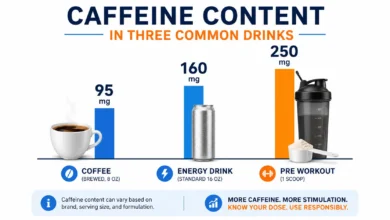
For everyone else, aim for at least seven hours, the amount the American Academy of Sleep Medicine recommends for adults. Keep a fixed wake time, keep the bedroom cool and dark, and stop caffeine by early afternoon. None of this is exciting, and it is where most men should start.
Weight Loss Has the Strongest Evidence for Men Carrying Extra Fat
For men with overweight or obesity, losing body fat is the best-supported way to raise testosterone. A 2013 meta-analysis by Giovanni Corona and colleagues in the European Journal of Endocrinology found that diet-based weight loss, averaging 9.8% of body weight, raised testosterone by about 2.9 nmol/L (84 ng/dL). Bariatric surgery, with a 32% loss, raised it by 8.7 nmol/L (251 ng/dL).
For scale, a 9.8% loss is about 22 pounds for a 220-pound man. That is a real change in a typical lab range, though it will not turn a very low result into a high one. Men who start with a higher BMI tend to gain more testosterone for the same weight loss, according to a later meta-analysis in Andrology.
Researchers describe obesity as disrupting the hypothalamic-pituitary-gonadal axis, the signaling chain that tells the testes to make testosterone. Leptin resistance and other changes in fat tissue can impair the LH signal that stimulates testosterone production. Losing fat appears to break that cycle.
Diet style seems to matter less than the loss itself. A randomized trial in PLOS ONE compared high-protein and high-carbohydrate weight loss diets in overweight and obese men and found both improved testosterone, with no difference between them. The rise was small during the 12-week loss phase (0.68 nmol/L) and larger during weight maintenance (1.5 nmol/L).
The practical takeaway is to pick a diet you can keep for a year, not a crash plan. If you are already lean, losing more will not help, and it can backfire.
Strength Training and Eating Enough Without Overdoing Either
1. Lifting for Body Composition
Resistance training supports the weight-loss effect above by building muscle while you lose fat. Two or three full-body sessions a week built around squats, presses, rows, and deadlifts are a sensible start. The payoff shows up in body composition over months, so consistency counts more than intensity.
Walking counts as well. A daily walk burns calories, costs nothing, and is easier to sustain than a new gym routine.

2. Why Under-Eating Backfires
The Endocrine Society notes that testosterone can temporarily drop with too much exercise, poor nutrition, and severe illness. That matters for the man who slashes calories and trains six days a week. A steep deficit can push the number down just when you want it up.
Keep the deficit moderate, eat protein at every meal, and take rest days seriously. If your energy, mood, and lifts all slump together, eat more before adding more workouts. Certain medications also lower testosterone, per the same source, so tell your prescriber about any new drug that showed up before your symptoms did.
How Much Can Lifestyle Realistically Change Your Number
Put the numbers side by side, and the picture is clear. Cutting sleep to five hours took 10% to 15% off in the Chicago study, so protecting sleep guards against that loss. Losing about a tenth of your body weight adds roughly 84 ng/dL on average, and more with a higher starting BMI.
That is meaningful for a man sitting at 320 ng/dL with extra weight and poor sleep. It will not be enough for a man at 150 ng/dL, where the Endocrine Society says a normal free testosterone level is unlikely. Which group you fall into is why the blood test comes first.
Does Your Age Change What to Expect
Age changes the size of the gain. The Andrology analysis found that men over 40 gained more total testosterone from weight loss, while men 40 and younger gained less total but more free testosterone for a given loss. Free testosterone is the portion your tissues can use directly, which is why doctors sometimes check it when total levels look borderline.
Because levels fall about 1% a year after 30, the same reading means different things at 28 and at 60. Bring your age and symptoms to the appointment along with the lab sheet.
Testosterone Boosters and Vitamin D Rarely Deliver
Supplement shelves promise a quick fix, and the research does not back most of it up. In a 2020 review in The World Journal of Men’s Health, Chase Clemesha and colleagues examined 50 popular testosterone booster products. Ninety percent claimed to raise testosterone, yet only 24.8% of those had published data to support the claim.
Zinc, fenugreek extract, and vitamin B6 were among the most common ingredients, and two products contained more zinc than the FDA’s tolerable upper limit. The NIH Office of Dietary Supplements sets that limit at 40 mg a day for adults. Taking too much zinc for too long can cause problems of its own, including copper deficiency.
A 2023 systematic review in the International Journal of Impotence Research covered 52 studies on 27 proposed boosters and reached a similar verdict. Most failed to raise total testosterone. The exceptions were HMB and betaine, and the authors said those two could be considered effective for male athletes. Popular ingredients such as Tribulus terrestris, ashwagandha, and tongkat ali each had only a handful of trials in that review.
Vitamin D is the classic example. Observational studies link higher vitamin D with higher testosterone, but most randomized trials find no effect. In a 2018 Austrian trial of 100 men with low testosterone, 20,000 IU of vitamin D3 a week for 12 weeks did not change total testosterone. The same team found no effect in men with normal levels.
Correcting a proven vitamin D deficiency can still be worth doing, but do not expect it to fix a low result. If you still want a supplement, choose products with third-party testing seals such as NSF or USP, since the FDA does not approve supplements for effectiveness before they are sold. USADA puts the dilemma bluntly: a booster that truly worked would be a banned substance for athletes, and one that does not is a waste of money.
A 12-Week Plan to Test What Works for You
Because the effects are modest and personal, treat the next three months as an experiment with a clear before and after.
Before week one, get a fasting morning total testosterone test, and repeat it on a second day if the first result is low. The Endocrine Society also suggests checking free testosterone when your total sits near the lower limit or when conditions such as obesity or diabetes may alter binding proteins. Write down which lab ran the test, since ranges vary and you will want the same one later.
Weeks 1 to 4 are for sleep. Set a fixed wake time, protect at least seven hours, and log it in a notebook or on a watch. Do not change anything else yet, so you can tell what helped.
Weeks 5 to 12: add two or three strength sessions a week. If you have weight to lose, aim for the 1 to 2 pounds a week that the CDC describes as gradual, steady loss more likely to stay off.
At week 12, repeat the test at the same time of day, at the same lab. Small differences can reflect ordinary swings, since levels change hour to hour, so weigh your energy, libido, mood, and gym numbers alongside the result.

If your level is unchanged but you feel better, that still counts as a win. If neither the number nor your symptoms moved, take your notes and both results to a doctor.
When Lifestyle Changes Are Not Enough
See a doctor if you have persistent low sex drive, erectile problems, fatigue, or loss of muscle, and your confirmed result is low. Low testosterone can come from disorders of the testicles, pituitary gland, or brain, and no amount of sleep or lifting will fix those. Blood tests for LH and FSH help separate primary from secondary causes.
If your total falls between about 230 and 346 ng/dL and you have symptoms, the British and International Societies for Sexual Medicine recommend adding LH, SHBG, and prolactin tests to the workup.
Testosterone therapy is a medical decision with real exclusions. The Endocrine Society recommends it for men with symptomatic deficiency and consistently low levels, and says men planning fertility soon or with breast or prostate cancer should not receive it. Its earlier 2010 guideline also advised against a blanket policy of treating every older man who has a low number.