
A fupa workout will not melt fat from one exact spot on your body, no matter what an exercise video promises. That does not mean it is a waste of time to look for one. The right mix of strength training, cardio, and core work shrinks the fat upper pubic area over time. A modest calorie deficit makes that mix work. This guide covers what causes a FUPA and why spot reduction is a myth worth understanding first. You will get a full workout routine you can follow at home or in a gym. You will also get the nutrition and recovery pieces that decide whether your workouts show real results.
What Is a FUPA and What Causes It
FUPA stands for fat upper pubic area, sometimes called a pooch or a pannus in medical terms. It is a layer of fat, and sometimes loose skin, that sits above the pubic bone and below the belly button.
Several things contribute to it. Genetics decide where your body stores fat first, and for many people that is the lower abdomen. Pregnancy stretches the skin and abdominal muscles in this exact area. A C-section can also leave behind a shelf of scar tissue and fat that sits differently than the skin around it. Hormonal shifts during perimenopause and menopause push more fat storage toward the belly. This happens even in people who have not gained significant weight. Weight fluctuations, aging skin, and simply carrying extra body fat overall can all play a role too. A FUPA can show up on people at almost any body weight, which is why exercise alone rarely tells the whole story.
It is also worth separating a FUPA from diastasis recti. That is a separation of the abdominal muscles that can create a similar bulge after pregnancy. A FUPA is fat and skin. Diastasis recti is a muscle gap. The two often overlap, but they are not the same thing.
Can You Spot-Reduce a FUPA With Exercise?
No. This is the part most FUPA workout routines skip or gloss over. It matters more than any single exercise on this list.
Your body decides where it pulls fat from based on genetics and hormones, not based on which muscle you just worked. Doing hundreds of crunches trains your abdominal muscles, but it will not specifically pull fat from the skin covering them. The muscle underneath gets stronger, but the fat layer on top stays the same size. That only changes once you are in an overall calorie deficit.
This is not bad news. It just means the exercises in this routine work alongside a broader fat loss plan, not instead of one. Strength training and cardio drive the calorie deficit that shrinks fat everywhere, including the lower belly. Core exercises then tighten and tone the muscle underneath so the area looks flatter and firmer once the fat comes down.
The Real FUPA Workout Formula
A workout plan that actually changes how your lower belly looks needs three components working together: strength training, cardio, and core-specific work. Skipping any one of them slows your results.
1: Compound Strength Training
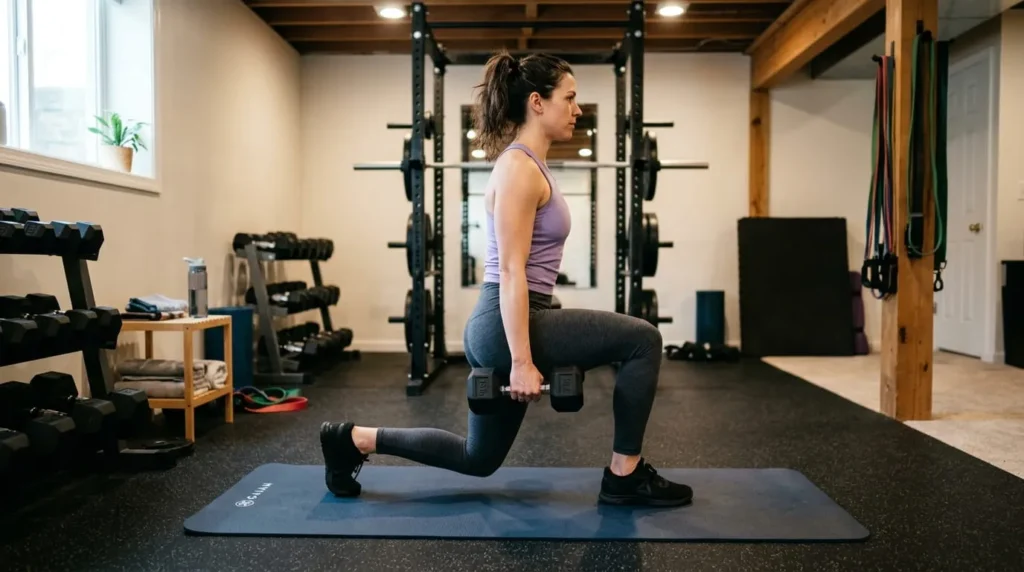
Compound lifts move several joints and muscle groups at once. Squats, deadlifts, lunges, and rows are good examples, and they burn more calories per session than isolation moves. They also build and preserve muscle while you are in a calorie deficit, which keeps your metabolism higher than dieting alone would. Aim for two to three full-body strength sessions a week. Use a weight that challenges you by the last two reps of each set.
2: Cardio for Full-Body Fat Loss
Cardio adds to your weekly calorie burn and speeds up fat loss across your whole body, not just the belly. Brisk walking, incline treadmill sessions, cycling, and swimming are all effective and easy on the joints. Most people do well with three to five sessions of 30 to 45 minutes a week. Swap one or two of those for shorter, higher-intensity intervals if your joints tolerate it.
3: Core and Lower-Ab Work
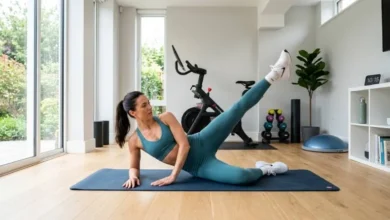
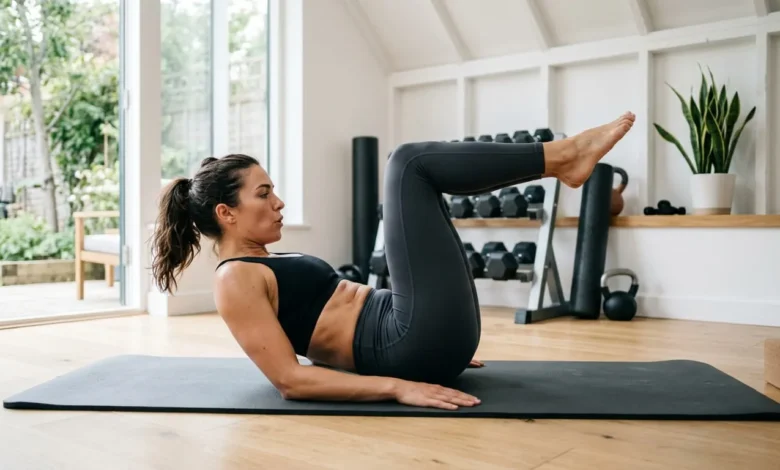
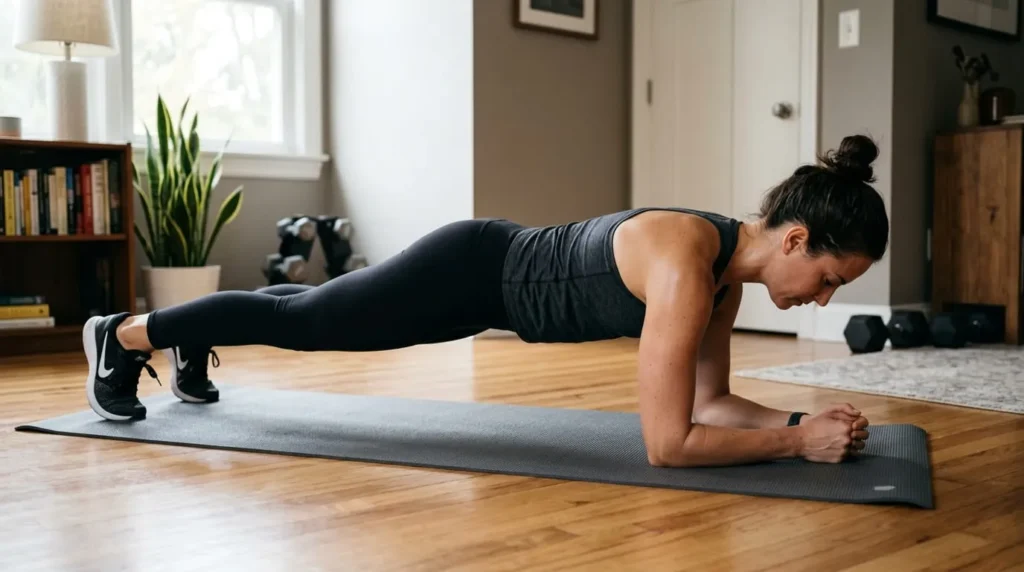
This is where a true FUPA workout earns its name, even though it will not directly burn the fat in that spot. Reverse crunches, lying leg raises, bicycle crunches, dead bugs, and forearm planks all target the deep core and lower abdominal muscles specifically. Training this area two to four times a week builds real muscle tone. That tone shows once the fat layer thins out. Training here also improves posture, which can make the area look flatter even before fat loss is visible.
A Complete FUPA Workout Routine You Can Do at Home
This routine combines all three elements into one session. Do it three to four times a week, resting at least one day between sessions.
Warm up for five minutes with marching in place, hip circles, and bodyweight squats.
Then complete this circuit twice through, resting 60 seconds between exercises and two minutes between rounds: Goblet squats, 12 to 15 reps Reverse lunges, 10 reps per leg Bent-over rows using dumbbells or a resistance band, 12 reps Reverse crunches, 15 reps Bicycle crunches, 20 reps total Forearm plank, held for 30 to 45 seconds
Finish with 15 to 20 minutes of incline walking or cycling at a pace where you can still talk but not sing.
On days you skip this full circuit, try a 10-minute core finisher of leg raises, dead bugs, and side planks. It keeps the lower abs engaged without adding much recovery demand.
Nutrition Habits That Speed Up Results
No FUPA workout outruns a diet that keeps you in a calorie surplus. A modest deficit of around 300 to 500 calories below maintenance is enough to lose fat steadily. Crash dieting causes muscle loss and fatigue that this approach avoids.

Protein matters more than almost any other nutrition detail here. It protects muscle while you are eating less, and it keeps you fuller between meals. Build meals around a protein source, a vegetable, and a slower-digesting carbohydrate like oats, rice, or potatoes. Limit ultra-processed snacks and sugary drinks, which make it easy to eat past your calorie needs without noticing. Staying hydrated and getting enough fiber also help control appetite while you are in a deficit.
How Long It Takes to See Results
Most people notice their clothes fitting differently before they see a visible change in the mirror. That usually happens within three to four weeks of consistent training and eating in a deficit. Visible changes to the lower belly typically take eight to twelve weeks. That timeline can stretch longer if you have more fat to lose, or if hormonal factors are working against you.
Consistency matters more than intensity here. A moderate routine you actually stick to for three months will outperform an extreme one you quit after two weeks.
When Diet and Exercise Are Not Enough
For some people, loose skin or a stubborn fat pad remains even after months of consistent training and a sustained calorie deficit. This is common after pregnancy, major weight loss, or age-related skin elasticity changes. It is not a sign that you did anything wrong.
Non-surgical options like CoolSculpting and radiofrequency treatments can reduce mild, isolated fat pockets in some people. Surgical options such as liposuction or a mons pubis reduction remove fat and excess skin more directly. These are medical decisions. Talk to a qualified healthcare provider or a board-certified plastic surgeon about whether any of these options fit your situation.
Common Mistakes That Slow Down Your Progress
A few habits quietly stall FUPA workout results even when someone is training consistently.
Doing only ab exercises while ignoring strength training and cardio is the most common one. It skips the calorie deficit that actually removes fat. Cutting calories too aggressively backfires too, often leading to muscle loss, low energy, and workouts that get weaker instead of stronger. Skipping protein makes it harder to hold onto muscle while dieting. Training the same few core moves without ever increasing reps, resistance, or difficulty stalls progress once your body adapts. If you are postpartum or have diastasis recti, jumping into intense core work too soon can make the separation worse. Check with a doctor or pelvic floor specialist before progressing this routine. Poor sleep is an easy one to overlook too. Consistently getting under six hours raises cortisol, which can push the body to store more fat around the midsection.