
Yoga is often sold as a stretching class. In practice, it does much more than loosen tight hamstrings. The benefits of yoga for the body and mind reach muscles, joints, sleep, and mood. They also change how you handle a bad day. Most of these gains come from steady, moderate practice, not advanced poses. This guide covers what yoga does for your body, what it does for your mind, and how to get those results safely.
How Yoga Works
Yoga combines three things: physical postures, controlled breathing, and focused attention. Each has its own effect, and together they reinforce one another.
Postures load your muscles and move your joints through a full range of motion. Slow breathing activates the part of your nervous system that lowers heart rate and muscle tension. Attention keeps you on the sensations of the moment, which interrupts repetitive worry.
This mix explains why yoga feels different from a gym workout. A run raises your heart rate and clears your head. A yoga class trains you to stay steady while slightly uncomfortable. That skill carries over to daily stress.
Breathing deserves special mention. Long exhales are especially calming, because they slow your heart rate. Many classes use a simple pattern, such as inhaling for four counts and exhaling for six. You can try this at your desk without anyone noticing.
Physical Benefits of Yoga
1: Flexibility, Strength, and Balance
Flexibility is the most obvious gain. Even gentle classes lengthen tight hips, hamstrings, and shoulders within a few weeks of regular practice.
Strength comes next. Holding poses like plank, chair, and warrior makes your muscles work against your own body weight. You build endurance in your legs, core, and upper back rather than large muscle size.
Balance improves because many poses use one leg or a narrow base. This matters more with age. Better balance means fewer falls and more confidence on stairs and uneven ground.
2: Back Pain and Joints
Chronic low back pain is one of the most common reasons people try yoga. Gentle stretching and core work ease pressure on the lower spine. Major physician groups list yoga among the non-drug options for chronic low back pain.
Joints benefit too. Slow movement keeps them mobile without hard impact. People with stiff or achy joints often tolerate a gentle class better than running. If you have arthritis, choose gentle or chair-based classes and tell your teacher which joints hurt.
Technique matters here. Poor form can aggravate a sore back, so skip deep forward folds and strong twists until you know your limits.
3: Heart Health
Regular yoga may help lower blood pressure and resting heart rate. Slow breathing is part of the reason. It signals your body to relax, which eases strain on blood vessels.
Yoga also reduces stress, a factor tied to high blood pressure and inflammation. It does not replace medication or cardio exercise. Treat it as an addition to walking, swimming, or cycling.
4: Sleep
Many people sleep better after adding yoga to their evening routine. A short sequence of forward folds, hip openers, and slow breathing lowers muscle tension and quiets a busy mind.
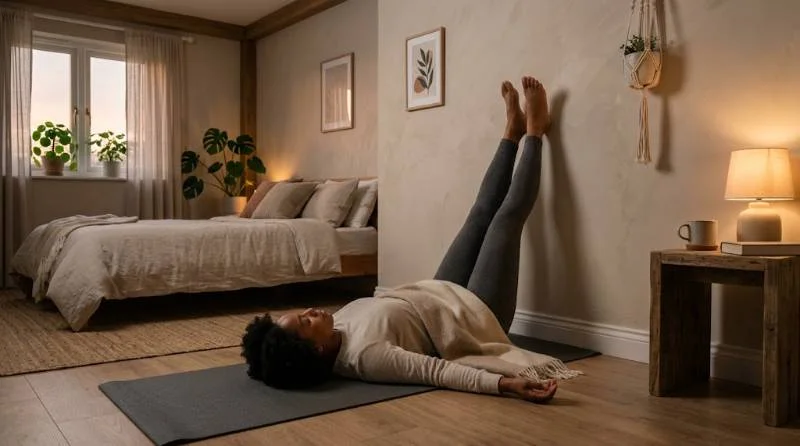
Keep evening practice gentle. Restorative and yin yoga work best before bed. A fast vinyasa class late at night can leave you wired. Try legs-up-the-wall pose for five minutes before bed. It relaxes your legs and slows your breathing.
Mental Benefits of Yoga
1: Stress
Stress relief is the benefit most people notice first. Slow breathing and focused movement shift your body out of fight-or-flight mode. Your heart rate settles, your shoulders drop, and your thoughts slow down.
Over time, many practitioners react less sharply to daily irritations. A traffic jam or a tense email still registers. It simply takes less time to recover from it.
Even ten minutes helps. You do not need a full class to feel the effect.
2: Anxiety and Mood
Yoga can ease symptoms of anxiety and mild low mood. Movement lifts energy, breathing exercises calm the nervous system, and group classes add social contact.
Breathing exercises are the easiest entry point. If your mind races at night, a slow exhale practice for five minutes can help you settle.
Yoga works best alongside professional care, not instead of it. If you live with depression, panic attacks, or trauma, talk with a licensed provider first. Some trauma survivors do better in trauma-informed classes, where teachers avoid hands-on adjustments and offer clear choices.
3: Focus
Holding a pose while breathing evenly is a quiet form of attention training. Your mind wanders, and you bring it back to the breath. Meditation uses the same skill.
You may notice better concentration at work or school. The effect builds slowly, much like strength. Consistency matters more than intensity.
4: Energy and Connection
Yoga often leaves people with steadier energy rather than a short caffeine spike. Better sleep, less tension, and gentle movement all contribute.
Regular practice also trains you to notice your body. You catch hunger, fatigue, and tension sooner. That awareness often leads to small habit changes, like drinking water or stopping work to rest.
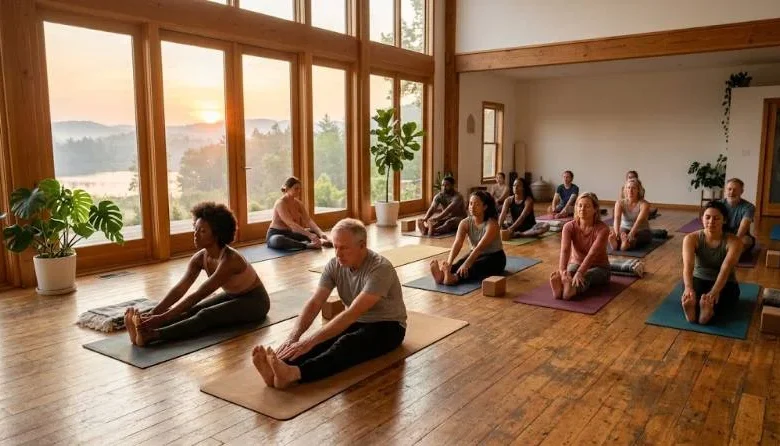
Classes add a social layer. Showing up weekly to the same room with the same people can ease loneliness.
Benefits of Yoga for Body and Mind Together
The body and mind benefits of yoga are not separate. Less back pain makes it easier to relax. Better sleep improves mood. A calmer mind makes it easier to show up to class again.
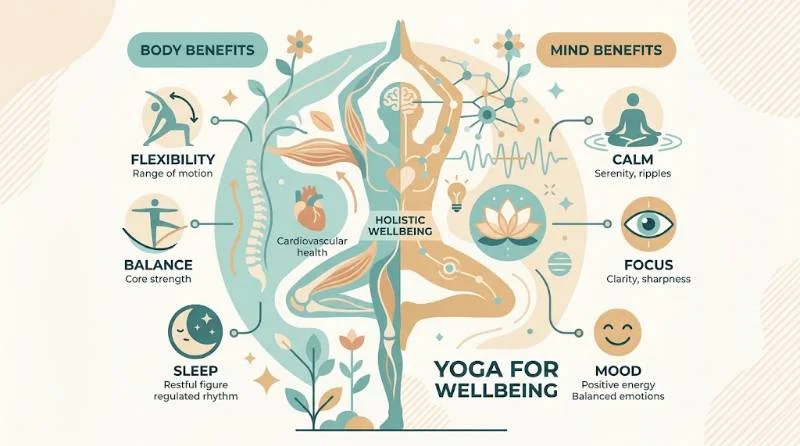
This loop is why consistency beats intensity. Three short sessions a week usually deliver more than one long session on Sunday. The gains build slowly, and each one supports the next.er
What the Research Shows
Yoga research is promising, but it has limits. Many studies are small. Participants know they are doing yoga, so placebo effects are hard to rule out. Studies also use different styles, session lengths, and time frames.
The most consistent findings involve stress, low back pain, flexibility, and balance. Results for heart health and mood are encouraging but less certain. In many comparisons, yoga performs about as well as other forms of exercise.
That is a fair result. It means yoga is a solid choice, especially if you enjoy it, because you will keep doing it. The best exercise is the one you repeat.
Most research programs run for two to three months with a few sessions each week, so that is a sensible trial period for you too.
Yoga Benefits by Life Stage
Older adults gain the most from balance work and joint mobility. Chair yoga and gentle classes make this accessible, even with limited mobility.
Desk workers benefit from hip openers, chest stretches, and neck release poses. These counter hours of sitting and rounded shoulders.
Athletes use yoga to recover and prevent injury. Active adults who already lift or run often find mobility and breathing work fill the gaps in their routine.
Busy parents and caregivers benefit from short sessions. Ten minutes of slow breathing and stretching fits between tasks and still lowers tension.
Choosing a Yoga Style
Different styles produce different results. Match the style to what you want most.
- Hatha is slow and beginner friendly. It teaches basic poses and builds general flexibility.
- Vinyasa links poses in a flowing sequence. It builds heat and stamina, so it suits people who want a workout.
- Yin and restorative yoga use long, supported holds. They are best for stress relief and sleep.
- Iyengar focuses on precise alignment and uses props. It helps people with back pain, past injuries, or stiff joints.
- Ashtanga and power yoga are strength focused and demanding. They suit people who are already active.
If you are unsure, start with hatha or any class labeled gentle or beginner.
When This Advice Does Not Apply
Yoga is safe for most people, but some situations need extra care.
Talk with your doctor first if you are pregnant, recovering from surgery, or managing high blood pressure, glaucoma, or a spine condition. Deep twists, inversions, and intense backbends may not suit you.
Hot yoga adds heat and dehydration risk. Skip it if you faint easily or have heart concerns.
Yoga is also not a complete fitness plan. It builds flexibility and muscular endurance but does little for cardio fitness. Pair it with walking and some resistance training.
Finally, pain is not progress. A mild stretch is fine. Sharp or pinching pain means you should ease out of the pose.
How to Start
Start small. Two or three sessions a week of 20 to 30 minutes is enough to notice changes.
Choose a beginner class, in person or online. A live teacher can correct your alignment, which matters for safety. If you practice at home, pick videos from certified instructors.
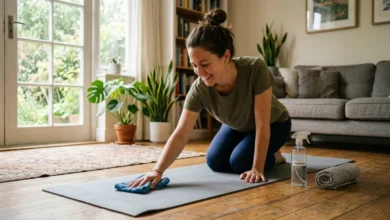
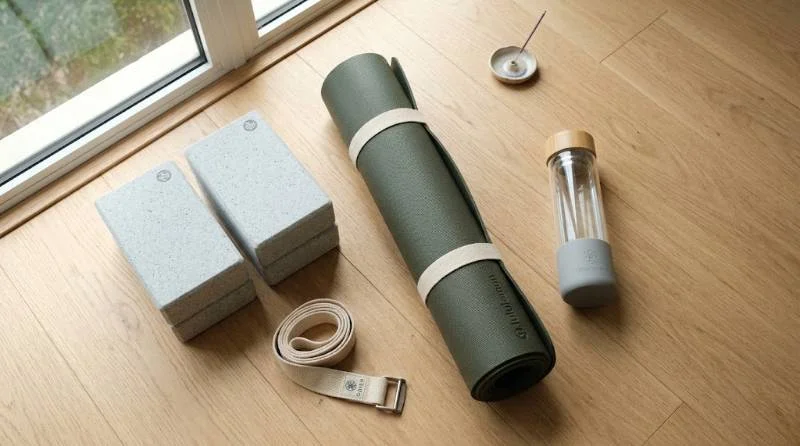
You need a non-slip mat and comfortable clothes. Blocks and a strap help if you are stiff.
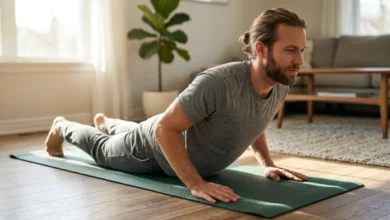
A simple starter routine takes 15 minutes. Begin with two minutes of slow breathing. Move through cat-cow, downward dog, low lunge, and seated forward fold, holding each for five slow breaths. Finish with two minutes lying on your back. Repeat it on three days each week.
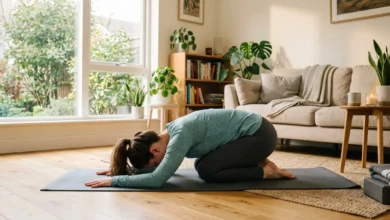
Breathe through your nose and move slowly. Rest in child’s pose whenever you need a break. Nobody is grading your form.
Common beginner mistakes include pushing too far in the first week, holding your breath, and comparing yourself to others. Stop well before your maximum stretch. Staying comfortable keeps you coming back.
Expect calmer evenings and looser muscles within a few weeks. Strength, balance, and sleep gains usually take longer.