

To get rid of inflammation, you need to find out what is driving it, then change the daily habits that feed it: what you eat, how you sleep, how much you move, and how you handle stress. Short-term inflammation after an injury usually settles on its own, while long-term inflammation needs steady lifestyle changes and sometimes medical treatment.
This article covers both types, the foods that help most, the habits that work alongside them, and the signs that mean you should call a doctor.
Acute vs. Chronic Inflammation: Know Which One You Have
Inflammation is your immune system responding to something it reads as a threat. That might be a sprained ankle, a cut, or a virus. Blood flow increases, immune cells arrive, and the area turns red, warm, swollen, and sore.
This is called acute inflammation, and it is useful. It is how your body repairs tissue. You do not want to get rid of it entirely, and trying to shut it down too aggressively can slow healing.
Chronic inflammation is different. It lasts for months or years, often without obvious swelling, and it is linked to conditions such as heart disease, type 2 diabetes, and some autoimmune diseases. Harvard Health Publishing and the Cleveland Clinic both describe it as a low-level, ongoing immune response that can damage healthy tissue over time.
Most people searching for ways to calm inflammation mean the second type. Common triggers include excess body fat (especially around the waist), a diet heavy in processed food, poor sleep, smoking, ongoing stress, and untreated infections or autoimmune conditions.
How Doctors Check for Inflammation
You cannot reliably tell chronic inflammation from symptoms alone. Fatigue, joint stiffness, bloating, and aches have many possible causes.
A doctor can order a C-reactive protein (CRP) blood test, which measures a protein your liver releases when inflammation is present. Erythrocyte sedimentation rate (ESR) is another common test. Neither one tells you where the inflammation is coming from, so results are read alongside your symptoms and history.
A high number does not mean you did something wrong. It is a starting point for finding the cause, which is the part that decides the treatment.
Foods to Reduce Inflammation
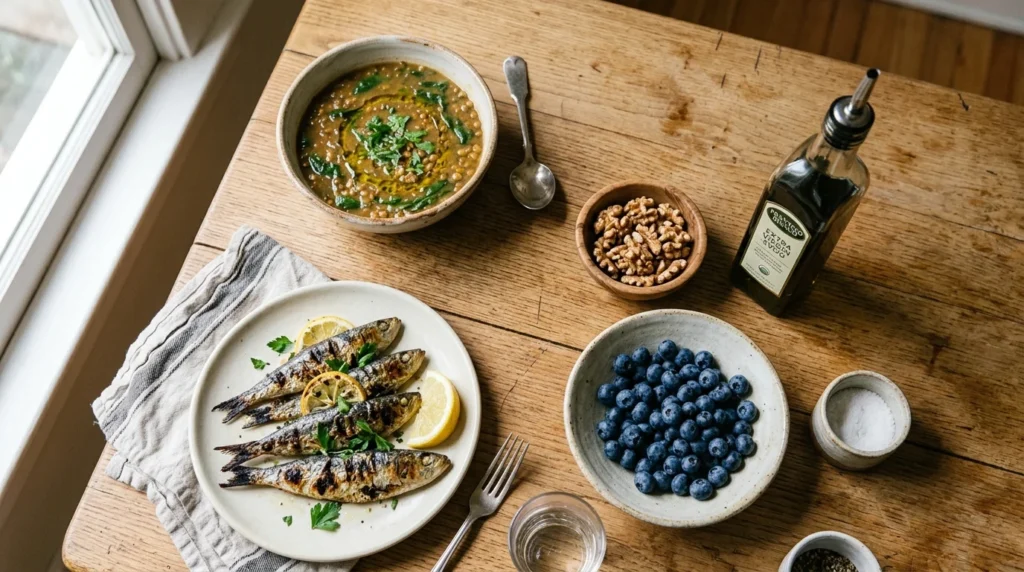
Food is the best place to start because you make the choice several times a day. The research points to eating patterns more than any single “superfood,” and the pattern with the strongest support is the Mediterranean-style diet. It centers on vegetables, fruit, beans, whole grains, nuts, olive oil, and fish.
Here are the foods that show up most often in guidance from Harvard Health Publishing and the Arthritis Foundation.
1. Fatty Fish
Salmon, sardines, mackerel, and trout supply omega-3 fatty acids, which the body uses to make compounds that help settle inflammation. The American Heart Association recommends eating fish, particularly fatty fish, at least twice a week, with a serving being about 3.5 ounces cooked. Baked or grilled counts. Fried fish does not.
2. Berries, Cherries, and Citrus
Blueberries, strawberries, tart cherries, and oranges contain plant compounds called flavonoids and anthocyanins, which are studied for their antioxidant effects. Frozen fruit works as well as fresh fruit and costs less for most American households. A cup of frozen berries in oatmeal or yogurt is an easy daily habit.
3. Leafy Greens and Colorful Vegetables
Spinach, kale, broccoli, tomatoes, and peppers are staples of every anti-inflammatory eating pattern. Cooking tomatoes in a little olive oil makes it easier for your body to absorb lycopene, a pigment in tomatoes. Aim to fill half your plate with vegetables at lunch and dinner.
4. Olive Oil, Nuts, and Seeds
Extra virgin olive oil contains oleocanthal, a compound that a 2005 study published in Nature found to act on the same inflammatory pathway as ibuprofen in laboratory tests. The effect from cooking and salad dressing is far milder than a pill, but it adds up over years of use. Walnuts, almonds, flaxseed, and chia seeds are also reasonable choices.
5. Beans, Lentils, and Whole Grains
These foods supply fiber, which feeds the bacteria in your gut. The FDA’s Daily Value for fiber is 28 grams per day on a 2,000-calorie diet, and most American adults eat well below that. Swapping white rice or white bread for brown rice, oats, or whole wheat is one of the simplest changes to make.
6. Herbs and Spices
Turmeric, ginger, garlic, and green tea get plenty of attention online. The National Center for Complementary and Integrative Health (NCCIH) says the research on turmeric supplements has not shown clear proof that they work for most conditions. Using these ingredients in cooking is safe and adds flavor, but they work best as part of a full eating pattern, not as a replacement for one.
Foods That Can Make Inflammation Worse
Adding good foods helps, but the other half of the work is eating less of the ones linked to higher inflammation. Harvard Health lists refined carbohydrates (white bread, pastries), fried foods, sugar-sweetened drinks, processed meats, and red meat as the main ones to limit.
Added sugar deserves particular attention. The American Heart Association suggests no more than 6 teaspoons (25 grams) a day for most women and 9 teaspoons (36 grams) for most men. A single 12-ounce can of regular soda is often enough to pass that limit.
You do not need to remove everything at once. Replacing one sugary drink a day with water or unsweetened tea is a realistic first move, and so is swapping a fast-food lunch for a bean-based bowl a few days a week.
A Simple Plate Method for Everyday Meals
Rules like “eat more vegetables” are easy to agree with and hard to follow. A plate method turns them into something you can do without counting anything.
At lunch and dinner, fill half the plate with vegetables, one quarter with a protein such as fish, chicken, beans, or tofu, and one quarter with a whole grain or starchy vegetable like a sweet potato. Add a spoonful of olive oil or a small handful of nuts for fat.
For breakfast, oatmeal with berries and walnuts or Greek yogurt with fruit follows the same logic. For snacks, an apple with almond butter or carrots with hummus keeps you away from the vending machine without any effort.
Move Your Body Most Days
Regular exercise lowers inflammation markers over time, and it does so partly by reducing body fat and improving how your body handles blood sugar. The U.S. Physical Activity Guidelines for Americans recommend at least 150 minutes of moderate aerobic activity each week, plus muscle-strengthening work on two or more days.
That works out to 30 minutes of brisk walking, five days a week. If you are starting from zero, begin with 10 minutes after dinner and add time slowly.
Overtraining can push in the opposite direction. Hard workouts cause a temporary spike in inflammation as muscles repair, so rest days and enough sleep matter as much as the sessions themselves.
Fix Your Sleep
Poor sleep and inflammation feed each other. The CDC recommends that adults get at least seven hours of sleep per night, and people who regularly sleep less tend to show higher levels of inflammatory markers in blood tests.
A few changes make a difference for most people:
- Keep the same wake-up time every day, including weekends
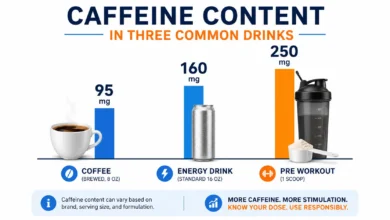
- Stop caffeine by early afternoon
- Keep the bedroom cool, dark, and quiet
- Put your phone away 30 to 60 minutes before bed
If you snore loudly, wake up gasping, or feel exhausted after a full night in bed, ask your doctor about sleep apnea. It is common, often undiagnosed, and treatable.
Manage Stress Before It Becomes a Pattern
Short bursts of stress are normal. Stress that never lets up keeps your body’s stress hormones elevated, which affects the immune system and can promote inflammation.
You do not need an hour of meditation. Ten minutes of slow breathing, a walk outdoors without your phone, or a regular call with a friend all count. NCCIH notes that mindfulness practices can help with stress management, though results vary from person to person.
If stress is tied to anxiety, low mood, or a life situation that feels unmanageable, talking to a licensed therapist is a sound use of your time and insurance benefits.
Weight, Alcohol, and Smoking
Fat stored around the abdomen (visceral fat) releases inflammatory substances into the blood. Losing even a modest amount of weight can lower CRP levels, and most of the habits above support that without a special diet.
Smoking raises inflammation throughout the body, including in the lungs and blood vessels. Quitting is among the most effective steps a person can take, and free help is available in the U.S. through 1-800-QUIT-NOW.

Heavy drinking also irritates the gut and liver. If you drink, keep it moderate, and talk to your doctor about what that means for you if you take medications or have a liver condition.
What to Do for Short-Term Inflammation From an Injury
For a sprain, strain, or bruise, the old “RICE” advice (rest, ice, compression, elevation) is still common. Many clinicians now favor a broader approach called PEACE and LOVE, which protects the area early and then encourages gentle movement and gradual loading as it heals.
In practice, that means taking pressure off the injury for the first day or two, then starting to move it carefully instead of keeping it still for weeks. Too much rest can leave a joint stiff and weak.
Over-the-counter anti-inflammatory drugs such as ibuprofen (Advil, Motrin) and naproxen (Aleve) reduce pain and swelling. The FDA warns that they can raise the risk of heart attack and stroke, and they can also irritate the stomach and strain the kidneys. Use the lowest dose that works for the shortest time, and ask a pharmacist or doctor first if you have heart, kidney, or stomach problems or take blood thinners.
Do Anti-Inflammatory Supplements Work?
Supplements are heavily marketed for inflammation, and the evidence is mixed. Fish oil is the best known. The NIH Office of Dietary Supplements says omega-3 supplements may help with some conditions, but eating fish remains the better-supported route for most people.
Turmeric and curcumin products have a weak evidence base, and curcumin is poorly absorbed on its own. Some products are also sold with ingredients that can interact with medications.
Supplements are not regulated like drugs in the United States. If you want to try one, check with your doctor first, choose a product with third-party testing such as USP or NSF seals, and stop if you notice side effects.
When Inflammation Needs a Doctor
Lifestyle changes help many people, but they do not replace medical care when an underlying disease is involved. Rheumatoid arthritis, lupus, inflammatory bowel disease, and psoriasis are examples of conditions where inflammation is the disease itself and often needs prescription treatment.
See a doctor if you have:
- Joint pain or stiffness that lasts more than a few weeks, especially in the morning
- A swollen joint that is hot, red, and painful, particularly with a fever
- Ongoing digestive symptoms such as blood in the stool or persistent diarrhea
- Unexplained weight loss, extended fatigue, or recurring fevers
- Redness that spreads quickly from a wound, which can signal infection
Call 911 or go to the nearest emergency room for chest pain, trouble breathing, or sudden swelling of the face or throat.
How Long Does It Take to Lower Inflammation?
Acute inflammation from a minor injury often improves within days to a couple of weeks. Chronic inflammation is slower and depends on the cause.
Changes in diet, sleep, and activity can start to shift blood markers within weeks to a few months, though the timeline varies a lot between individuals. Progress is easier to judge by how you feel (less stiffness, better energy, steadier digestion) and by follow-up blood tests ordered by your doctor.

Pick two changes you can keep, such as a vegetable at every dinner and a nightly walk, and hold them for a month before adding more. A modest plan you stay with beats a strict one you drop after a week.