
Travel can disrupt a fitness routine. Flights, packed schedules, restaurant meals, and unfamiliar hotels make workouts harder. Instead of recreating your home routine, protect a few useful habits and adapt them to the trip.
Learning how to stay fit while traveling starts with a realistic goal. Maintain strength, move throughout the day, eat to support your energy, and get enough rest. A workout one day and a long walk the next can both fit.
Set a Travel Fitness Goal You Can Actually Keep
Before leaving, decide what fitness maintenance means for this trip. Client meetings require a different plan from a beach vacation or hiking holiday. Trying to hit personal records and see every attraction can create needless stress.
Aim to preserve your usual habits rather than make major gains. Choose a minimum routine for busy days, such as a short strength circuit, an evening walk, or mobility work. Add a longer session when time allows.
Review your itinerary before packing. Identify free periods and likely schedule conflicts. Choose realistic workout windows and a backup, such as a ten-minute room circuit when a meeting runs late.
A missed workout is not a failure. Resume at the next practical opportunity instead of trying to make up every session.
Choose Workouts That Fit Your Destination
The best travel workout fits your available time, space, and equipment. A hotel gym works well when it is convenient. Bodyweight exercise is more reliable when the gym is closed or poorly equipped.
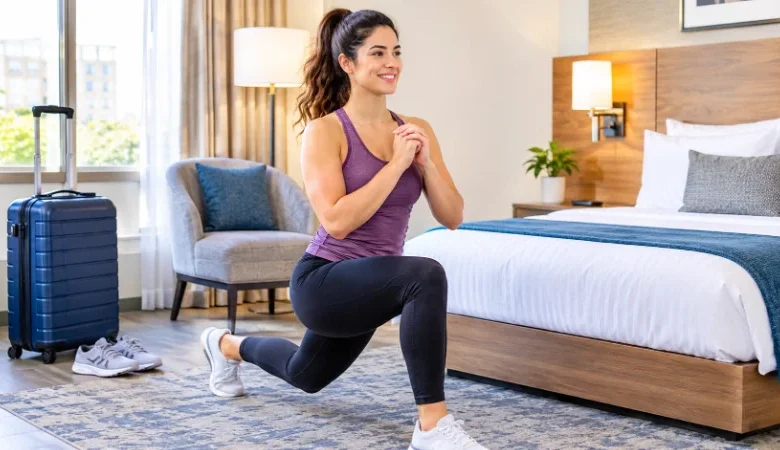
Try a Simple Hotel Room Workout
A short circuit can train major muscle groups. Warm up with easy marching and joint movements, then complete these exercises:
- Bodyweight squats: 10 to 15 repetitions.
- Incline push-ups against a sturdy desk or wall: 8 to 12 repetitions.
- Reverse lunges: 8 to 10 repetitions per leg.
- Glute bridges: 12 to 15 repetitions.
- Forearm plank: hold for 15 to 30 seconds.
Rest as needed and repeat once or twice. Move with control, not speed. Stop any movement that causes pain.
Respect hotel-room limits. Avoid noisy jumps late at night and never use unstable furniture or luggage as equipment. Skip quick movements on slippery floors.
Use the Hotel Gym When It Makes Sense
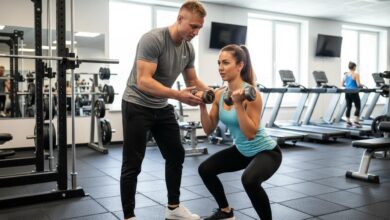
Use a hotel gym for heavier strength work, treadmill sessions, or cycling. Check its hours and equipment first. With light dumbbells, slow controlled repetitions are safer than attempting heavy lifts.
You can also look for a day pass at a nearby gym. A nearby gym day pass may suit a longer stay. For a short weekend, walking and a simple circuit are often easier. If you already follow a lifting program, keep the main movement patterns rather than copying every exercise. One squat or lunge, one push, one pull with a band, and a core movement can maintain a familiar structure. Keep the load moderate when equipment feels unfamiliar.
Pack Small, Useful Fitness Gear
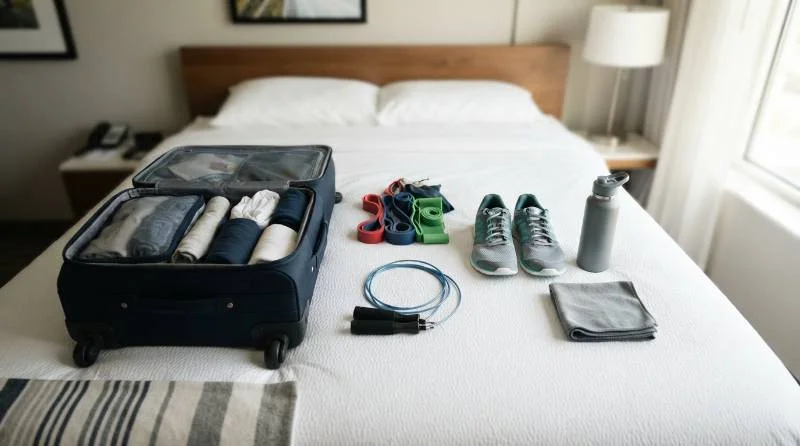
Resistance bands take little space and add options for rows, presses, lateral walks, and glute exercises. A jump rope works for travelers who have a suitable outdoor area and enough room. Comfortable walking shoes are often more useful than bulky workout accessories.
Turn Sightseeing Into Everyday Exercise
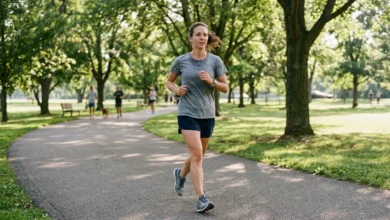
Walking is one of the easiest ways to stay active in a new place. It can replace short rides, help you explore neighborhoods, and fit naturally between planned activities. Choose a walkable route when the distance, weather, and local conditions make it sensible.
Check routes before setting out. Choose well-lit streets and marked trails. In heat, walk early or late and take shade breaks. In cold or wet weather, wear suitable layers and grippy footwear.
Active sightseeing might include cycling, swimming, kayaking, or hiking. Match the activity to your fitness. Avoid a demanding trail after a long flight or without hill training. Check weather and route details.
At airports, walk between gates when practical. During layovers, check your gate and boarding time before taking a stroll. Never risk missing a flight for extra steps.
Eat Well Without Turning Vacation Into a Diet
Travel meals can mean limited airport choices, large portions, and unfamiliar ingredients. Flexibility works better than trying to control every meal.
Build meals around protein, produce, and a satisfying carbohydrate. Eggs, yogurt, beans, fish, chicken, tofu, rice, and potatoes can all fit. Choose according to your preferences and dietary needs.
At restaurants, consider grilled, roasted, baked, or steamed dishes. Ask for sauces on the side, share large portions, or add vegetables. Enjoy local specialties you genuinely want to try.
Carry snacks for delays. Fruit, nuts, roasted chickpeas, crackers, and shelf-stable protein options can bridge long gaps. Keep perishable foods at safe temperatures.
Do not skip meals to compensate for a large dinner. Return to your usual pattern at the next meal. If a health condition affects meal timing, follow your clinician’s travel plan.
Stay Hydrated During Flights and Busy Days
Travel makes it easy to forget water. Carry a refillable bottle where permitted and drink regularly. Needs vary with heat, activity, and health, so follow your usual hydration guidance rather than forcing a fixed amount.
Limit alcohol when you need alertness, good sleep, or exercise the next day. Late-day caffeine can also interfere with rest. If you are sweating heavily in hot weather or exercising for a long period, food and fluids may need more attention. People with fluid restrictions or medical conditions should follow individual medical advice. A bottle in your day bag also makes it easier to drink during sightseeing instead of waiting until you feel depleted.
On road trips, plan sensible stops. Get out, walk briefly, use the restroom, and refill water when safe. Never handle a bottle or other distraction while driving.
Protect Sleep and Recovery
Poor sleep, jet lag, and long periods of sitting can leave you tired or stiff. Choose an easy walk, gentle mobility, or rest instead of forcing an intense workout.
When crossing time zones, adjust gradually. Get daylight at local daytime hours, keep your room dark, and avoid hard workouts immediately after an overnight flight.

After sitting for long periods, stand and move when safe. On planes, follow crew instructions. Ankle movements and position changes can ease stiffness. Ask a healthcare professional about travel precautions if you have a history of blood clots.
Adjust Your Routine for Different Types of Trips
1: Business Travel
Keep business-trip workouts short and predictable. Pack walking shoes and exercise before work when evenings are uncertain. Walk to nearby meetings when practical. After a late client dinner, prioritize sleep. If your hotel has no gym, use the room circuit or take a brisk walk before breakfast. Keep workout clothes accessible in your carry-on if checked luggage might arrive late.
2: Family Vacations
Choose activities everyone can enjoy, such as park walks, safe swimming, bike rides, or exploring on foot. Parents can take turns exercising or use short sessions during quiet periods.
3: Road Trips
Plan stops at safe rest areas or parks. Walk briefly and stretch gently instead of spending the entire break in the car. Pack suitable snacks and store perishable food safely.
4: Cruises and Resort Stays
Walk the deck, use stairs when practical, or join an activity. Check pool safety before swimming. At all-inclusive resorts, choose meals intentionally while still enjoying treats.
A Flexible Seven-Day Travel Fitness Plan
Use this flexible sample as a starting point. Adjust it to your fitness level and schedule.
- Day 1: Take a comfortable walk after arrival and stretch gently.
- Day 2: Complete the hotel room strength circuit.
- Day 3: Explore on foot or choose an easy bike ride.
- Day 4: Rest, or take a short walk if you feel comfortable.
- Day 5: Repeat the strength circuit or use the hotel gym.
- Day 6: Try a recreational activity such as swimming or hiking.
- Day 7: Take an easy walk and prepare for the journey home.
For a three-day trip, choose one strength session and walk on other days. For longer trips, rotate strength, cardio, and recovery. A repeatable routine beats a perfect calendar.
Common Travel Fitness Mistakes to Avoid
Do not set goals that ignore your itinerary. Packed schedules rarely allow long daily workouts. Set a maintainable minimum and treat extra activity as a bonus.
Do not use intense exercise to compensate for restaurant meals. Exercise is not punishment for eating. Move to support health, strength, mood, and energy.

Do not attempt workouts that require unavailable equipment or space. Avoid unfamiliar intense movements when tired or dehydrated. Never ignore pain, illness, or unusual fatigue.