
Hip dips are natural inward curves or indentations on the sides of your body, just below your hip bones and above your thighs. They happen because of your natural bone structure, muscle shape, and fat distribution. Some people have noticeable hip dips, while others have very subtle ones.
Also called violin hips or hip divots, these indentations are a normal part of human anatomy. They are not a medical condition, a sign of being overweight, or evidence that someone is out of shape.
Many people discover the term through fitness videos and social media posts that suggest hip dips need to be corrected. However, understanding why they happen can help you make better decisions about exercise and feel more comfortable with your natural body shape.
What Do Hip Dips Look Like?
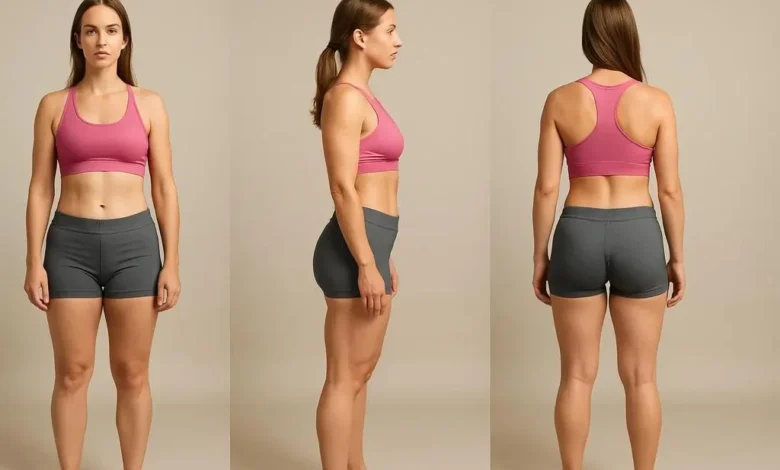
Hip dips appear as small inward curves along the outer sides of the hips. When looking at the body from the front, you may notice that the line from the waist to the upper thigh moves slightly inward before becoming fuller again around the thighs.
The appearance varies from person to person. Some people have shallow indentations that are barely noticeable, while others have deeper curves that create a more defined outline.
You do not need a particular body weight or fitness level to have hip dips. They can appear on slim, muscular, curvy, and larger-bodied individuals.
The most important thing to understand is that the shape of your hips is partly determined by the bones underneath your skin. This is why two people with similar body weights can have completely different hip outlines.
What Causes Hip Dips?
Hip dips mainly develop because of the natural structure of your pelvis and upper thigh bones. The amount of muscle and fat surrounding these areas also affects how noticeable the indentations appear.
Here are the main factors behind their appearance.
1. Natural Bone Structure
Your pelvis and femur (thigh bone) help determine the overall shape of your hips. The upper part of your pelvis is called the ilium, while the upper end of your femur contains a rounded bony area known as the greater trochanter.
The space and relationship between these bones contribute to the inward curve seen on the outside of the hips.
Because everyone’s skeleton is different, some people naturally have more visible indentations than others. Exercise cannot change the shape or position of these bones.
2. Genetics
Genetics influence several physical characteristics, including pelvic shape, bone proportions, and how your body stores fat.
If your hip dips are noticeable, it does not necessarily mean something is wrong with your body. Your natural anatomy may simply create a more defined indentation.
Even members of the same family can have different hip shapes because inherited characteristics vary between individuals.
3. Fat Distribution
The amount and location of fat around your waist, hips, and thighs can affect how visible hip dips look.
Some people naturally carry more fat around their outer hips, while others have less tissue in that area. This difference can make the inward curve appear deeper or softer.
However, losing weight does not specifically remove hip dips. Your body cannot choose to burn fat from one particular area.
4. Muscle Development
Muscles around your hips and buttocks also influence your body’s outer appearance.
The gluteus medius and gluteus minimus are located around the outer hip region. Their size and development can affect the surrounding contour.
Building these muscles may create a slightly fuller appearance for some individuals. However, muscle growth cannot completely change the underlying bone structure.
Are Hip Dips Normal?
Yes, hip dips are completely normal. They are a natural variation in human anatomy and do not indicate a health problem.
People sometimes compare their bodies with fitness models, celebrities, or edited social media photographs. These comparisons can create the impression that everyone should have smooth, rounded hips.
In reality, natural bodies have different proportions and contours. Hip dips can be visible even in people who exercise regularly and maintain strong muscles.
There is also no single correct hip shape. Having prominent hip dips does not make someone less healthy, less attractive, or less physically fit.
Both men and women can have hip dips. They are sometimes discussed more frequently in women’s fitness content, but the underlying anatomy is not exclusive to women.
Hip Dips vs. Love Handles: What Is the Difference?
Hip dips and love handles are often confused because both are located around the waist and hip region. However, they describe different physical features.
Love handles refer to extra fatty tissue around the sides of the waist, usually above the hip bones. Hip dips are inward curves located lower down, where the hips transition into the upper thighs.
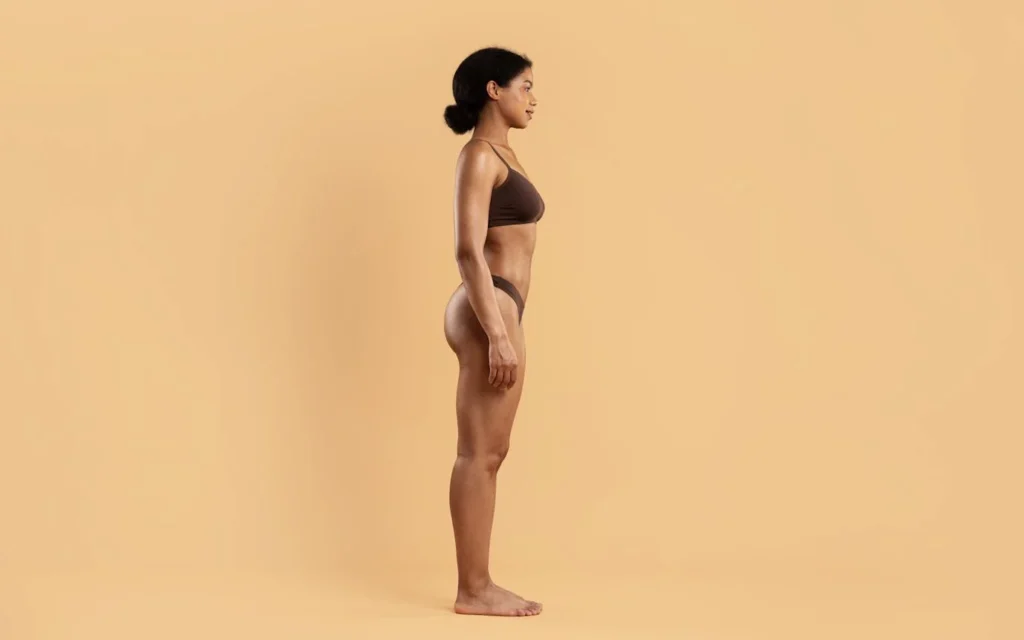
Here is a simple comparison:
| Feature | Hip Dips | Love Handles |
| Location | Outer hips below the hip bones | Sides of the waist |
| Appearance | Inward indentation | Soft outward bulge |
| Main factors | Bone structure and tissue distribution | Fat distribution |
| Exercise effects | Can build surrounding muscle | Overall fat loss may reduce them |
| Medical condition | No | Not usually a medical condition |
Understanding this difference matters because exercises and weight changes affect these features differently.
Can You Get Rid of Hip Dips?
You cannot eliminate hip dips naturally because their underlying shape is connected to your bone structure.
However, you may change how noticeable they appear by developing the muscles around your hips and buttocks. This does not guarantee a particular shape, and results will differ between individuals.
For example, someone who trains their glute muscles consistently may develop more muscle around the outer hips. This can slightly change their overall body contour.
It is important to avoid unrealistic promises about removing hip dips in seven days or completely transforming your hip shape through a specific workout.
There is no exercise that can move your pelvic bones or selectively add fat to the indentation.
Does Weight Loss Remove Hip Dips?
No. Weight loss does not specifically remove hip dips.
Losing body fat can change the appearance of your waist, thighs, and hips, but the underlying skeletal structure remains the same. Depending on your natural fat distribution, hip dips may become more noticeable after losing weight.
Trying to lose additional weight just to change your hip shape is unlikely to produce the result you expect.
Can Weight Gain Fill Hip Dips?
Weight gain can change the amount of fat stored around your hips and thighs. For some people, this may make the indentations look less noticeable.
However, fat storage is controlled by individual genetics and hormones. There is no reliable way to direct weight gain specifically toward the hip dip area.
If your goal is to build a stronger lower body, resistance training is a more practical approach than gaining weight solely to change your hip outline.
Best Exercises to Strengthen the Muscles Around Hip Dips
Although workouts cannot remove the structural cause of hip dips, they can strengthen the muscles surrounding your hips and improve lower-body function.
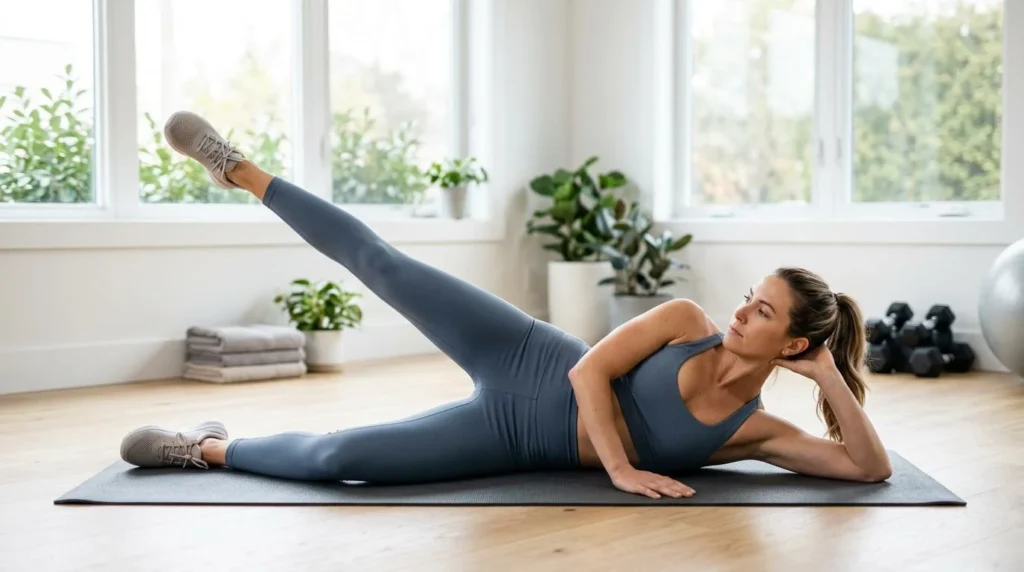
Exercises targeting the gluteus medius, gluteus minimus, and gluteus maximus are particularly useful.
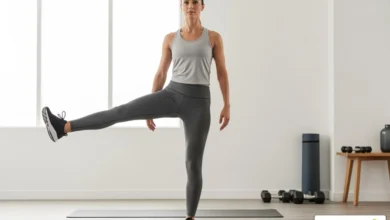
1. Side-Lying Leg Raises
This exercise targets the muscles along the outer hips.
- Lie on your side with both legs straight.
- Keep your upper body stable.
- Slowly lift your upper leg.
- Lower it with control.
- Complete 10 to 15 repetitions on each side.
Avoid rotating your hips backward while lifting your leg.
2. Glute Bridges
Glute bridges strengthen the buttocks and support hip extension.
- Lie on your back with your knees bent.
- Keep your feet flat on the floor.
- Push through your heels to lift your hips.
- Pause briefly at the top.
- Lower your hips slowly.
Start with 10 to 15 repetitions.
3. Fire Hydrants
Fire hydrants work the outer hip muscles and gluteal region.
- Start on your hands and knees.
- Keep your back relatively stable.
- Lift one bent knee outward.
- Avoid twisting your torso.
- Slowly return your knee to the starting position.
Try 10 to 12 repetitions on each side.
4. Banded Lateral Walks
Resistance-band walks challenge the muscles responsible for moving your legs outward.
- Place a resistance band around your thighs or ankles.
- Bend your knees slightly.
- Take small controlled steps sideways.
- Keep tension in the band.
- Repeat in both directions.
Begin with a comfortable resistance level and maintain good technique.
These exercises support hip strength, balance, and movement. They should be part of a balanced workout routine, not treated as a guaranteed solution for changing hip dips.
Why Are Hip Dips More Noticeable on One Side?
It is possible to have a more noticeable hip dip on one side of your body. Human bodies are not perfectly symmetrical, and small differences in bone structure, muscle development, and fat distribution are normal.
Your dominant leg may also have different muscle development because of your daily activities, sports, or training habits.
Other factors that can affect how your hips look include:
- Your natural standing posture.
- The way you distribute your body weight.
- Differences in muscle size between your left and right sides.
- Clothing fit and camera angles.
If you notice a sudden change in your hip shape accompanied by pain, swelling, or difficulty walking, speak with a healthcare professional. A naturally uneven hip contour without symptoms is generally not a reason for concern.
Do Hip Dips Look Different in Men and Women?
Yes, hip dips can look different between men and women because average pelvic proportions, muscle distribution, and fat distribution vary.
Women often have a wider pelvis relative to their body proportions, while men typically have different average pelvic dimensions. However, these are general anatomical patterns, not rules that determine every individual’s appearance.
Men can have noticeable indentations along their outer hips, even when they have developed leg and glute muscles.
Women can also have prominent hip dips regardless of their body weight or fitness level.
There is no gender-specific exercise or treatment needed for this natural body feature.
Can Cosmetic Treatments Change Hip Dips?
Some cosmetic procedures aim to change the appearance of hip dips by adding volume around the outer hip area.
Options may include fat transfer, sometimes called fat grafting, and certain injectable treatments. These procedures have different risks, costs, recovery periods, and suitability requirements.
Fat transfer involves removing fat from one part of the body and transferring it to another area. Results can vary, and some transferred fat may not survive.
Injectable treatments also carry risks, including infection, swelling, uneven results, and other complications.
Anyone considering cosmetic treatment should discuss the procedure with a qualified, appropriately licensed medical professional who has experience with the specific treatment. Ask about realistic outcomes, complications, and long-term follow-up.
Cosmetic treatment is a personal choice, not a medical requirement. Having hip dips does not mean you need surgery or injections.
Should You Be Worried About Having Hip Dips?
No. Hip dips are a normal anatomical feature, and their presence does not mean you are unhealthy or need to change your body.
Social media can make certain body shapes appear more desirable by repeatedly showing edited photographs and carefully selected poses. This can create unrealistic expectations about how natural bodies should look.
Instead of judging your fitness by the appearance of your hips, consider practical signs of progress, such as increased strength, improved balance, better mobility, and feeling more comfortable during physical activities.
Your hip shape is only one small part of your overall physical appearance. You can have strong, healthy hips with or without visible indentations.
If you enjoy exercising, focus on movements that make your body stronger and help you perform everyday activities comfortably. There is no need to follow extreme diets or exhausting workout routines to achieve a particular hip shape.