


Losing weight with polycystic ovary syndrome (PCOS) can feel frustrating, especially when your efforts do not produce the results you expect. Hormonal changes and insulin resistance can affect appetite, metabolism, and weight management. However, learning how to lose weight with PCOS can help you build a realistic routine that supports your overall health.
The best approach combines balanced nutrition, regular physical activity, adequate sleep, and medical support when needed. You do not need an extreme diet or exhausting workout routine to make progress. Small, consistent changes can improve metabolic health and make weight management easier.
Why Does PCOS Make Weight Loss Difficult?
PCOS is a hormonal and metabolic condition that can affect menstrual cycles, insulin sensitivity, and reproductive health. Some women with PCOS experience insulin resistance, which means their bodies do not respond to insulin as effectively as they should.
Insulin helps move glucose from the bloodstream into cells for energy. When the body becomes less sensitive to insulin, it may produce more insulin to maintain normal blood sugar levels. This can contribute to metabolic problems and make weight management more challenging.
Other factors can also affect progress:
- Hormonal changes can influence appetite and body composition.
- Poor sleep can increase hunger and make healthy routines harder to maintain.
- Stress may affect eating habits and physical activity.
- Fatigue can make regular exercise more difficult.
PCOS affects everyone differently. Not every woman experiences insulin resistance or weight gain, so a personalized approach is important.
Choose a Balanced Diet That Supports PCOS
Your eating habits can make a difference when managing PCOS-related weight concerns. Instead of following a restrictive diet, focus on meals that contain protein, fiber, healthy fats, and nutrient-rich carbohydrates.
A balanced meal helps you feel satisfied and can support steadier blood glucose levels.
Good food choices include:
- Protein: Eggs, chicken, fish, Greek yogurt, beans, and lentils.
- Fiber: Broccoli, spinach, apples, berries, oats, and vegetables.
- Healthy fats: Avocados, olive oil, walnuts, almonds, and seeds.
- Complex carbohydrates: Brown rice, quinoa, oats, and whole-grain bread.
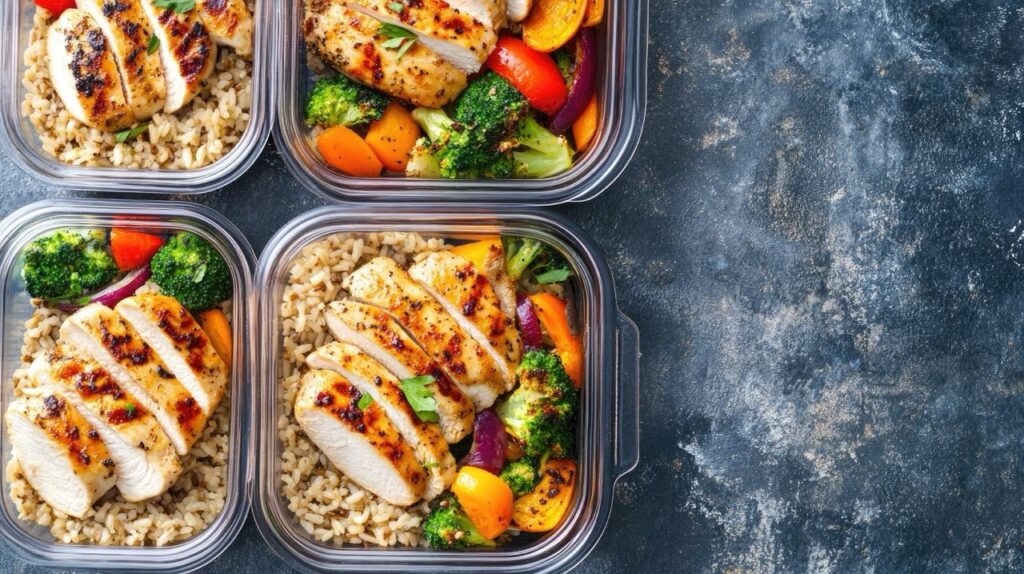
For example, breakfast could include eggs, whole-grain toast, and fruit. Lunch might contain grilled chicken, brown rice, and vegetables. Dinner could include baked salmon, roasted broccoli, and a small serving of quinoa.
You do not have to eliminate carbohydrates. Choose fiber-rich options more often and pay attention to portions that suit your nutritional needs.
Focus on Foods That Help Manage Blood Sugar
Insulin resistance is common in PCOS, making food quality an important part of metabolic health. Meals containing protein and fiber can help slow digestion and support more stable blood glucose levels.
Try including these foods regularly:
- Leafy greens such as spinach and kale.
- Beans, chickpeas, and lentils.
- Whole grains such as oats and barley.
- Berries, pears, and apples.
- Nuts, seeds, and unsweetened yogurt.
Limit frequent consumption of sugary drinks, sweets, and highly processed snacks. These foods can add calories without providing much fiber or nutritional value.
You do not need to completely avoid your favorite foods. A flexible eating pattern is generally easier to maintain than strict food rules.
Combine Strength Training With Cardio
Exercise is another useful part of a PCOS weight-management routine. Regular movement can improve insulin sensitivity, support cardiovascular health, and help maintain muscle.
Strength training is particularly useful because it helps preserve and build muscle. You can begin with bodyweight exercises, resistance bands, or light weights.
A beginner-friendly weekly schedule might look like this:
- Monday: 20 to 30 minutes of strength training.
- Tuesday: 30 minutes of brisk walking.
- Wednesday: Rest or gentle stretching.
- Thursday: 20 to 30 minutes of strength training.
- Friday: Cycling or swimming.
- Saturday: A longer walk or another enjoyable activity.
- Sunday: Rest and recovery.
Start with an amount of exercise you can manage comfortably. Gradually increase your activity as your fitness improves.
The 2023 International Evidence-Based PCOS Guideline recommends regular physical activity and muscle-strengthening exercise. For adults, general activity targets include 150 to 300 minutes of moderate-intensity aerobic exercise weekly, alongside strength training on two non-consecutive days.
Get Enough Sleep and Manage Stress
Sleep and stress are often overlooked when people try to lose weight with PCOS. However, both can affect appetite, energy levels, and your ability to maintain healthy habits.
Most adults need at least seven hours of sleep each night. Try keeping a consistent bedtime, reducing screen use before sleeping, and avoiding heavy meals close to bedtime if they disturb your rest.
Stress management can also help you maintain a healthier routine. Consider:
- Taking a short walk outdoors.
- Practicing deep breathing.
- Doing gentle yoga or stretching.
- Spending time on hobbies you enjoy.
- Setting aside time to relax without distractions.
If you regularly experience poor sleep, excessive daytime tiredness, or persistent anxiety, discuss these symptoms with a healthcare professional.
Build a Realistic PCOS Weight Loss Meal Plan
A practical meal plan can make healthy eating easier, especially when you have a busy schedule. You do not need expensive specialty products or complicated recipes.
Here is an example of a balanced day:
Breakfast: Two eggs, whole-grain toast, and a serving of berries.
Morning snack: Plain Greek yogurt with a few almonds.
Lunch: Grilled chicken, brown rice, and a large serving of mixed vegetables.
Afternoon snack: An apple with peanut butter.
Dinner: Baked fish or beans, roasted vegetables, and quinoa.
Optional evening snack: Unsweetened yogurt or a small handful of nuts if you are hungry.
Adjust portions according to your energy needs, activity level, preferences, and medical advice. People following vegetarian diets can use tofu, lentils, chickpeas, and beans as protein sources.
A Mediterranean-style eating pattern is one reasonable option because it includes vegetables, fruits, legumes, whole grains, nuts, olive oil, and lean protein. However, research does not establish one specific diet as the best choice for every person with PCOS.
Understand How Much Weight Loss Is Realistic
One common mistake is expecting rapid results. PCOS weight management can take time, and progress varies according to individual health, lifestyle, and treatment needs.
For some women who have excess weight, losing approximately 5% of their starting body weight may improve certain metabolic and reproductive outcomes. This is a possible health benefit, not a requirement for everyone with PCOS.
For example, someone weighing 180 pounds would reach a 5% reduction after losing 9 pounds. The actual timeline depends on the person’s circumstances.
Avoid crash diets, extreme calorie restriction, and unregulated weight-loss supplements. They can create nutritional problems and make it harder to maintain healthy habits.

Also, do not judge progress only by the number on the scale. You can track other changes, including:
- Improved exercise endurance.
- Better energy throughout the day.
- More consistent menstrual cycles.
- Changes in waist measurements.
- Improvements in blood glucose or cholesterol results.
These measures can provide a broader picture of your health.
Talk to Your Doctor About Medical Treatment Options
Lifestyle changes are an important part of PCOS management, but some people may need additional medical support. If your weight is not changing despite consistent efforts, discuss your symptoms and treatment options with a qualified healthcare professional.
Depending on your health history, a clinician may discuss:
Metformin: This medication improves insulin sensitivity and is sometimes prescribed for metabolic concerns associated with PCOS. It is not a universal weight-loss treatment.
GLP-1 medications: Certain prescription medications may help eligible people manage obesity and related metabolic conditions. They require medical assessment, and pregnancy plans must be discussed before treatment.
Registered dietitian support: A dietitian can help develop a realistic eating plan that considers your nutritional requirements, preferences, and medical history.
Your clinician may also assess blood pressure, glucose levels, cholesterol, sleep problems, and other conditions that can affect your health.
If you are planning a pregnancy, tell your healthcare professional before starting weight-loss medication. Some medications are unsuitable during pregnancy or when trying to conceive.
Make Progress With Consistent Habits
Learning how to lose weight with PCOS starts with understanding your body and choosing habits that you can maintain. Focus on balanced meals, protein and fiber intake, strength training, regular movement, and enough sleep.
You do not need to follow every diet trend or compare your results with someone else’s journey. If progress is slow, review your routine and seek medical advice instead of resorting to extreme restrictions.

PCOS management is personal. A plan developed with a qualified healthcare professional can help you address weight concerns while protecting your long-term health.