


Learning how to create a workout plan can make exercise easier to manage and help you work toward specific fitness goals. A good plan tells you what exercises to perform, how often to train, and when to give your body time to recover.
You do not need an expensive gym membership or complicated training routine to get started. With a realistic schedule, suitable exercises, and gradual progression, you can build a workout routine around your lifestyle.
Decide What You Want to Achieve
Start by choosing your primary fitness goal. Your goal determines which exercises you need, how frequently you should train, and how you measure progress.
Common fitness goals include:
- Weight loss: Combine regular physical activity, cardio, and strength training while following a suitable nutrition plan.
- Muscle growth: Focus on resistance exercises that challenge your muscles and gradually increase training volume.
- Strength: Practice movements such as squats, presses, rows, and deadlifts with appropriate resistance.
- General fitness: Combine aerobic exercise, strength training, and activities that improve mobility.
Choose one main goal and write it down. For example, you might aim to complete three strength workouts each week or gradually increase the distance you can walk.
Keep your goal realistic. A manageable routine that fits your everyday schedule is easier to maintain than an ambitious program you cannot follow consistently.
Choose Your Workout Days
Decide how many days you can realistically exercise each week. Your available time, current fitness level, and recovery needs should guide this decision.
Beginners can start with two or three strength-training sessions per week. More experienced individuals may prefer additional sessions depending on their goals and recovery.
The CDC recommends that adults aim for at least 150 minutes of moderate-intensity aerobic activity weekly, along with muscle-strengthening activities on at least two days.
You can divide your training across the week instead of completing everything in one day.
Select Exercises for Your Routine
Choose exercises that work the major muscle groups. A balanced strength workout should include movements for your legs, hips, chest, back, shoulders, arms, and core.
Here are some useful exercise categories:
| Muscle Group | Example Exercises |
| Legs | Squats, lunges, leg presses |
| Chest | Push-ups, bench presses |
| Back | Dumbbell rows, lat pulldowns |
| Shoulders | Shoulder presses, lateral raises |
| Arms | Biceps curls, triceps extensions |
| Core | Planks, dead bugs, crunches |
You do not need to perform every exercise in one session. Choose movements that match your ability and equipment.
For beginners, compound exercises are a practical starting point because they involve multiple muscle groups. Squats, push-ups, rows, and presses can form the foundation of a simple routine.
Decide Your Sets, Reps, and Workout Intensity
Once you select exercises, decide how many sets and repetitions to perform.
A repetition (rep) means completing an exercise once. A set is a group of repetitions performed before taking a break.
For example, three sets of 10 squats means completing 10 squats, resting, and repeating that sequence two more times.
A beginner-friendly starting point is:
- Perform 1 to 2 sets of each exercise while learning the movement.
- Try approximately 8 to 12 controlled repetitions when appropriate.
- Choose resistance that allows you to maintain proper technique.
- Rest between sets until you can perform the next set safely.
These are starting suggestions, not fixed requirements. Your exercise, ability, and training goal can change the appropriate number of sets and repetitions.

The 2026 ACSM resistance-training guidance supports individualized programs and identifies regular training as more important for most healthy adults than complicated exercise techniques.
Combine Cardio and Strength Training
A balanced workout plan should include aerobic activity and resistance training. Both contribute to fitness, but they serve different purposes.
Cardio activities include:
- Walking
- Jogging
- Cycling
- Swimming
- Dancing
- Using an elliptical machine
Strength training includes exercises such as squats, push-ups, resistance-band movements, and weightlifting.
If you are a beginner, start with manageable cardio sessions and gradually increase your activity. Brisk walking is a convenient option that does not require special equipment.
You can perform cardio on separate days or combine shorter sessions with strength workouts, depending on your schedule and recovery.
Create a Weekly Workout Schedule
Now put your selected exercises into a weekly schedule. This makes your plan easier to follow because you know what to do each day.
Here is an example of a beginner-friendly schedule:
Monday
Strength
Full-body strength training
Tuesday
Cardio
30-minute brisk walk
Wednesday
Recovery
Rest or gentle mobility
Thursday
Strength
Full-body strength training
Friday
Cardio
30-minute cycling or walking
Saturday
Movement
Optional light activity
Sunday
Rest
Rest and recovery
This is a sample schedule, not a requirement for everyone. Beginners can reduce the duration or intensity, particularly if they are currently inactive.
For example, someone who has limited time might complete two strength workouts and take several short walks throughout the week.
Include Rest and Recovery Days
Rest is part of an effective training routine. Your muscles need time to recover after challenging resistance exercises, especially when you are new to training.
Avoid training the same muscles intensely every day when you are still learning how your body responds to exercise.

Pay attention to how you feel after exercise. Normal muscle soreness can occur when starting a new routine, but sharp pain, significant swelling, or unusual symptoms should not be ignored.
Useful recovery habits include:
- Getting enough sleep.
- Eating balanced meals.
- Drinking enough water.
- Taking rest days when needed.
- Avoiding sudden increases in exercise intensity.
If you have an existing injury or medical condition, consult an appropriate healthcare professional before beginning a new exercise program.
Track Your Progress and Adjust Your Plan
Your workout plan should develop as your fitness improves. Recording your sessions helps you understand what is working and when you might need to make changes.
You can use a notebook, spreadsheet, or fitness app to record:
- Exercise names.
- Sets and repetitions.
- Weights used.
- Workout duration.
- How difficult each session felt.
For example, if you perform 10 push-ups comfortably for two sets, you might gradually increase your repetitions or choose a slightly more challenging variation when your technique is consistent.
Avoid changing your entire routine every week. Give yourself enough time to practice the movements and assess your progress.
If your workouts become too easy, gradually adjust resistance, repetitions, or training volume. If you feel persistently exhausted, reduce the workload and allow additional recovery time.
Make Your Workout Plan Fit Your Lifestyle
The best routine is one you can realistically maintain. Your schedule should account for work, family responsibilities, available equipment, and personal preferences.
If you exercise at home, bodyweight movements and resistance bands can provide a useful starting point. If you train at a gym, you can include machines, dumbbells, and barbells.
If you have only 20 to 30 minutes available, select a few exercises that cover your main muscle groups instead of trying to fit an entire advanced program into one session.
You can also schedule workouts at a consistent time. Treating exercise like an appointment can make it easier to develop a regular habit.
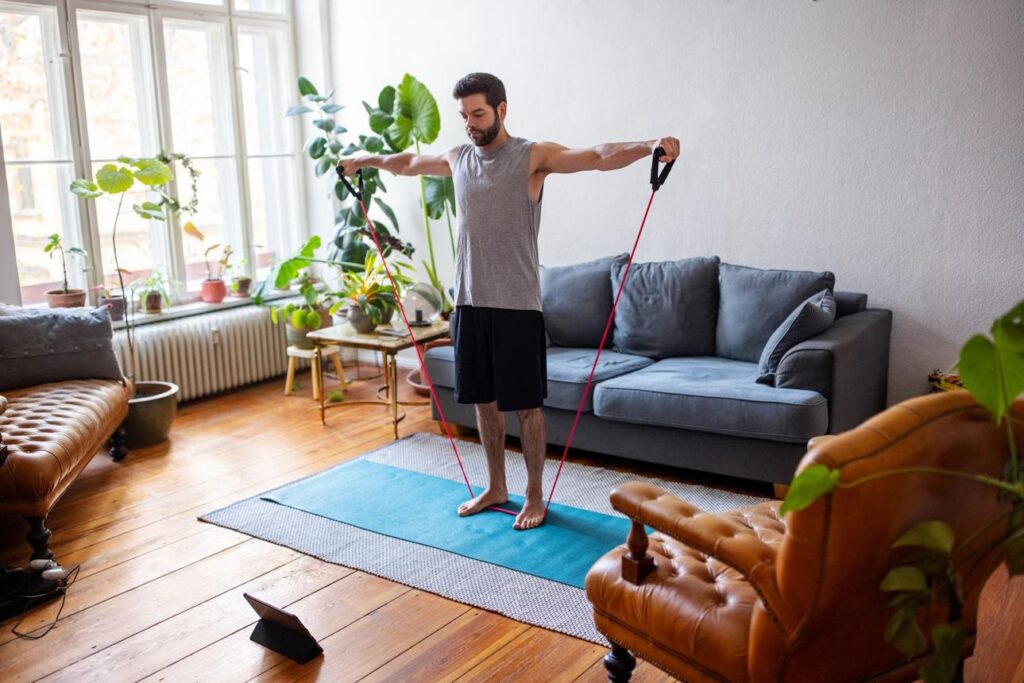
Your routine should be challenging enough to support your goals but flexible enough to accommodate everyday life.
Avoid Common Workout Planning Mistakes
When creating your first exercise routine, avoid making it more complicated than necessary. Many beginners start with too many exercises or train intensely every day, making it difficult to maintain their schedule.
Watch out for these common mistakes:
- Doing too much too soon: Begin with manageable sessions and increase your workload gradually.
- Ignoring certain muscle groups: Include exercises that cover your entire body instead of focusing only on your arms or chest.
- Skipping warm-ups: Spend a few minutes doing light movement before more demanding exercises.
- Following someone else’s routine blindly: Adjust exercise selection and frequency to your fitness level and available time.
- Ignoring progress: Record your workouts so you can identify improvements and make sensible adjustments.
A workout plan does not need to be perfect from the beginning. Start with a schedule you can follow, learn proper exercise technique, and make small adjustments as your strength and fitness develop.