

The best sports for cardio fitness, and how to choose one
Running, swimming, cycling, rowing, and racquet sports such as tennis rank among the best sports for cardio fitness because they keep your heart rate elevated for extended stretches. Each works the heart and lungs differently, though, so the right pick depends on your joints, your schedule, and what actually keeps you coming back.
What makes a sport good for cardio fitness
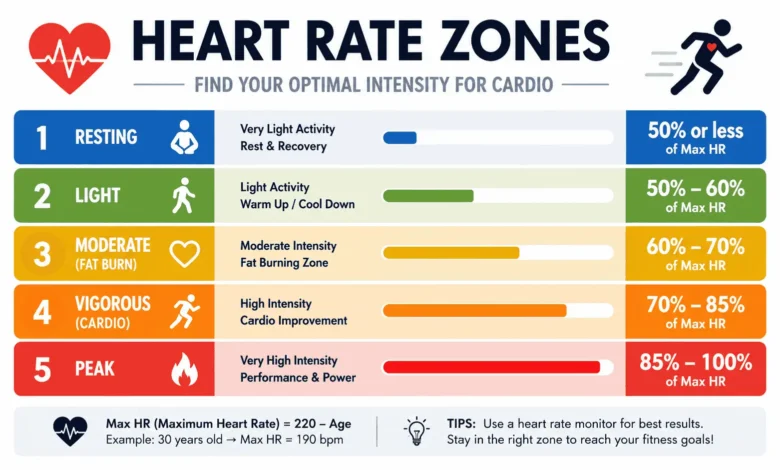
A sport builds cardio fitness when it raises your heart rate and holds it there for a sustained period, not just in short bursts. The Centers for Disease Control and Prevention recommends at least 150 minutes of moderate-intensity aerobic activity a week, or 75 minutes of vigorous activity, for most adults. Sports built around continuous running, paddling, or cycling tend to hit that target more reliably than stop-start games with long pauses between plays.
Joint impact matters too. Running and basketball put more stress on the knees and ankles than swimming or cycling, which is worth weighing if you have joint pain or are coming back from an injury.
Running
Running is one of the most direct ways to build cardio fitness, and it needs almost no equipment beyond a decent pair of shoes. Your own pace sets the intensity, so a slow jog around the block and a 5K time trial both count, just at different training loads.
Beginners do best starting with a run-walk pattern, building up the running intervals over several weeks rather than trying to run continuously on day one. Over time, resting heart rate tends to drop as the heart becomes more efficient at pumping blood, one of the clearest signs of improved cardiovascular fitness.
Swimming
Swimming works the heart and lungs while the water supports your body weight, which is why doctors often recommend it for people with joint pain, arthritis, or a recent surgery. Nearly every stroke engages the shoulders, back, core, and legs at once, so it doubles as a light strength workout.The catch is technique. A swimmer with poor form can tire out from inefficient movement before the heart gets much of a workout, so a few lessons or a coached session make the cardio benefit far more consistent.
Cycling
Cycling, whether on the road, a trail, or a stationary bike, builds cardio endurance while placing less impact on the knees than running. It’s also easy to scale: a flat, steady ride keeps you in a moderate zone, while hill repeats or interval sprints push you into vigorous territory.
Because cycling uses the legs almost exclusively, pairing it with some upper-body strength work rounds out a training week nicely.
Rowing
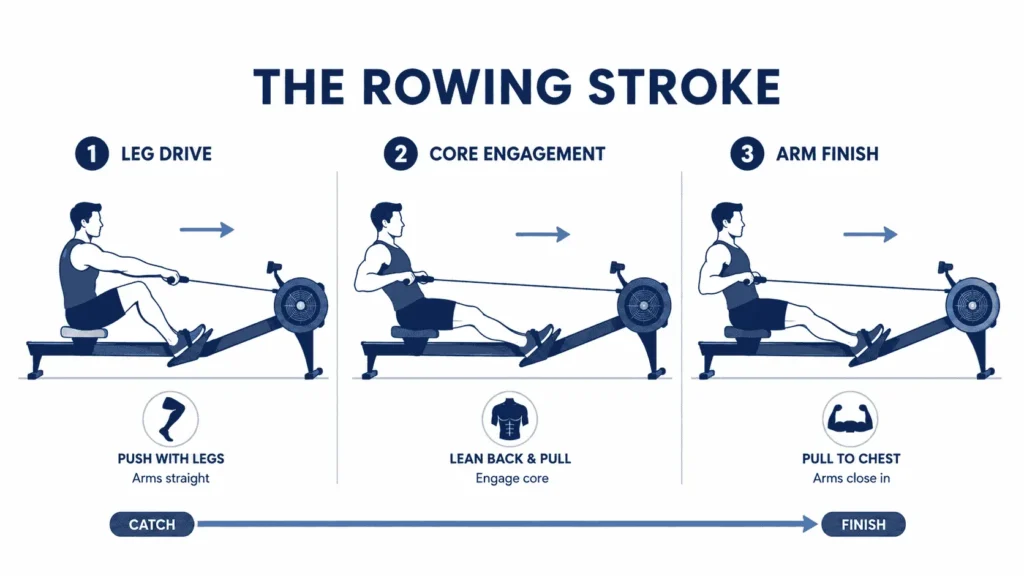
Rowing, whether on water or an indoor machine, is one of the few sports that trains the legs, back, and arms in a single, repeated motion. The push from the legs starts each stroke, the back and core follow through, and the arms finish the pull, spreading the cardiovascular load across more muscle at once than most other options.
Racquet sports: tennis, squash, and pickleball
Tennis mixes short sprints, quick direction changes, and brief recovery periods between points, which trains both the aerobic and anaerobic systems. Lili Barouch, director of sports cardiology at Johns Hopkins Hospital, has noted that playing pickleball and similar racquet sports improves cardiorespiratory fitness and lowers the risk of recurrent cardiac events in people with existing heart conditions.Squash tends to be more physically demanding than tennis because the court is smaller and rallies move faster, so beginners often start at a slower pace and build up from there.
Team sports: soccer and basketball
Soccer keeps players moving almost continuously across a large field, mixing jogging, sprinting, and short recovery stretches over 60 to 90 minutes. Basketball asks for similar bursts of speed in a smaller space, with constant jumping, cutting, and defensive shuffling.
Both sports demand more coordination and game awareness than solo cardio like running, which is part of why many people find team sports easier to stick with long term.
Jump rope and other high-intensity options
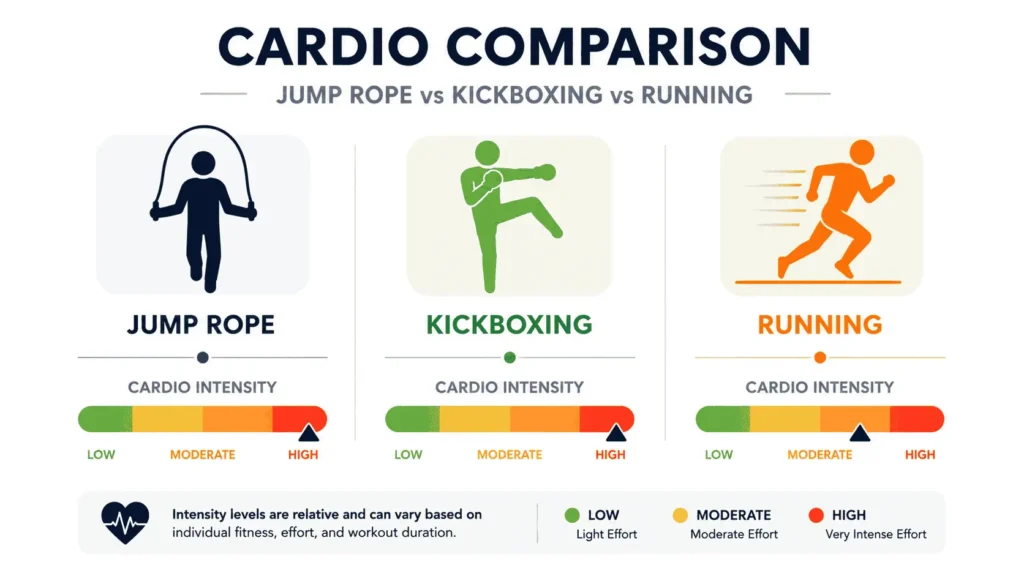
Jump rope is cheap, portable, and demanding: even short sessions raise the heart rate quickly because the whole body works to keep the rope turning and the feet clearing it. It also sharpens coordination and footwork, which carries over into other sports.
Kickboxing follows a similar pattern. Combining punches, kicks, and footwork into fast combinations keeps the heart rate high while adding a strength and coordination element that steady-state cardio doesn’t.
Dancing
Dance styles such as salsa, Zumba, and ballroom deliver a real cardio workout while feeling more like a social activity than exercise. The constant footwork and turns raise the heart rate steadily, and classes often run 45 minutes to an hour, which covers a solid chunk of a weekly activity goal in one session.
How to choose the right sport for your fitness level
Start with what you’ll actually do consistently. A slightly less “optimal” sport you enjoy beats a perfect one you quit after two weeks. If you have joint pain, lean toward swimming, cycling, or rowing before running or basketball. If you want social accountability, team sports and group dance classes tend to keep people coming back more than solo training does.
Anyone with an existing heart or circulatory condition should talk to a doctor before starting a new sport, particularly one involving sudden bursts of intensity like squash or kickboxing.
The bottom line
The best sports for cardio fitness are the ones that raise your heart rate, hold it there, and fit into your week without feeling like a chore. Running and swimming are reliable starting points, rowing and racquet sports add variety, and team sports or dance keep things social. Pick one, stay consistent for a few weeks, and let your resting heart rate tell you how it’s working.
FAQ
What is the single best sport for cardio fitness?
There isn’t one best sport for everyone. Running and swimming are among the most efficient for pure cardiovascular training, but the sport that fits your joints, schedule, and interest is the one you’ll actually keep doing.
How many days a week should I play a cardio sport?
The CDC recommends at least 150 minutes of moderate-intensity activity a week, which works out to about 30 minutes on five days, or fewer, longer sessions if that fits your schedule better.
Are team sports as good as running for cardio?
Soccer and basketball can match or exceed running in overall cardiovascular demand because of the constant movement, though the intensity is less consistent since play stops and starts.
Is swimming enough on its own for cardio fitness?
Yes, for most people. Swimming raises the heart rate and works nearly every major muscle group, making it a complete cardio workout, though pairing it with land-based strength training adds extra benefit.
What’s the best low-impact sport for cardio if I have knee pain?
Swimming and cycling are usually gentlest on the knees while still delivering a strong cardio benefit. Rowing is a close third, as long as your form keeps the stroke smooth rather than jerky.